
Completed
SiC – Silicon Carbide membranes for innovative oil-in-water separations
This project investigates the behavior of silicon carbide membranes in pilot trials. These determine fouling, cleaning options, cleaning frequency and the consequences for the long term performance and economics. Test...
Completed
C2V – Carbon2Value
Innovative CO2 separation technology aims to reduce emissions in steel industry. This project revolves around an innovative technology with the potential to reduce CO2 emissions across the major energy intensive...

New
ECO: Electrically Driven, Chemical-free Operations
The ECO project explores how electricity can replace chemical processing aids in water treatment, cleaning and separation processes.
Completed
E3C – Electrons to Close the Carbon Cycle
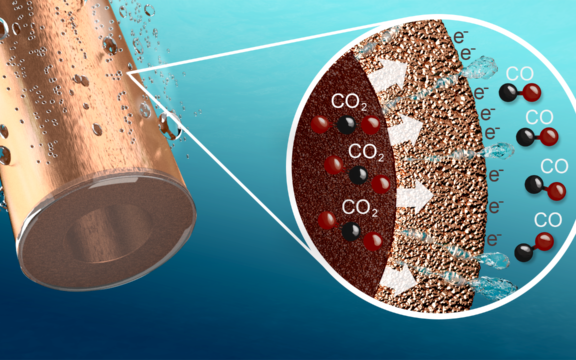
Development and evaluation of tubular and flat porous electrodes for the electrochemical conversion of gasses at ambient temperature. Motivation Renewable electricity (RE) generation is currently growing at a rapid pace....

Completed
ReCYCLE – Electrical bike with durable circular plastic parts
ReCYCLE is a cutting-edge project that combines electric bikes with durable circular plastic parts, pushing the boundaries of innovation in sustainability.
ENCORE – nExt geNeration COmpRession hEat pump
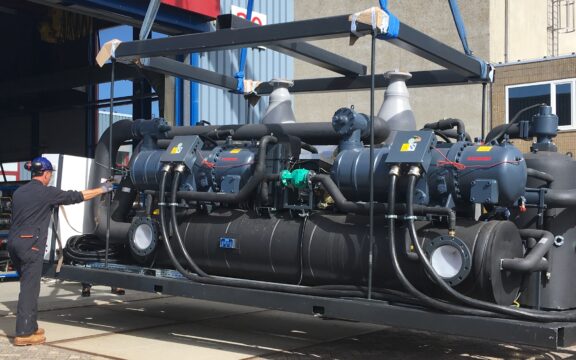
This project demonstrates the enhancement of compression heat pump performance by using a pilot scale test unit.

Completed
Scissors – Super Critical Industrial Solution for Suspended Organic Residual Streams
Scissors researches the processing of specific wet waste streams through the potential of super critical water (SCW) technology.
Completed
H2-Safety2 – Safety Standardisation of Green Hydrogen Electrolyser Systems
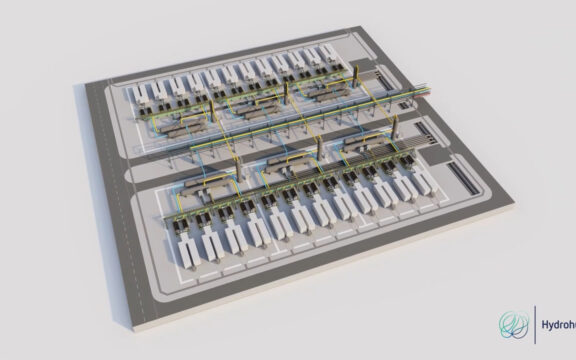
This hydrogen safety project aimed to develop recommendations for standardisation, meeting process safety requirements for large scale water electrolysis. This is an important step to enable a safe, integrated hydrogen-based...

Completed
PINcHED – Process INtegrated HEat pump Drying
This project creates greenfield conceptual design packages for contact and convective drying of a full scale. In addition, it focuses on establishing a fully heat pump integrated drying process, including...

Completed
HF2N – High Flux 2D Nanosheet membranes
High Flux 2D Nanosheet membranes to demonstrate and validate the high potential of a new class of inorganic high flux 2D Nanosheet membranes on a practical scale

Completed
STNF – Solvent Tolerant Nanofiltration and reverse osmosis membranes for the purification of industrial aqueous streams
Many industrial process streams contain water with solvents and other organic components. Such streams need to be purified from these components or need to be treated before further handling. Polymeric...

SEUSS – Saving Energy by Upcycling of Side Streams
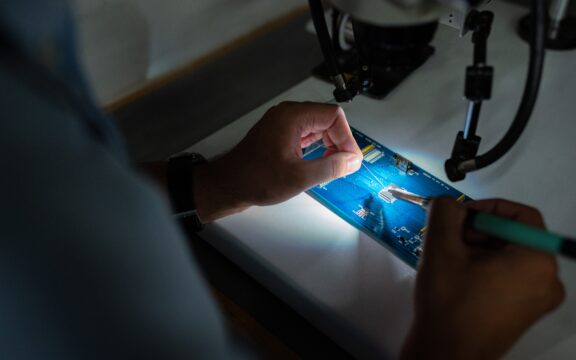
The shift to plant‑based proteins demands smarter, cleaner processing. SEUSS develops new ways to reduce energy use and recover valuable resources from side streams. In Short Energy-related challenges The protein...
Completed
RMZD – Radial Multi-Zone Drying
The Radial Multi-zone Dryer (RMD) project investigates new type of spray dryer for premium product properties and low specific energy consumption.

Completed
EAMS – Energy efficient Affinity-driven Molecular Separation
The aim of the EAMS project is to: Application New or improved affinity separation options for selected cases: extractive distillation and (reactive) liquid-liquid extraction.
MilDeWat – Breakthrough Mild Dewatering Technologies
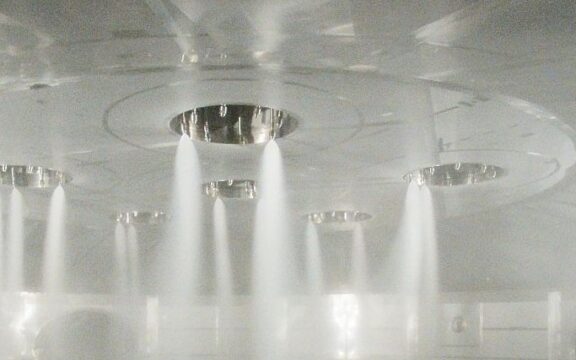
This project will enhance the implementation of mild (energy extensive) dewatering technologies to contribute to industry's energy reduction goals.

Completed
ZERO BRINE
The ZERO BRINE project combines technologies to recover products of high quality and sufficient purity from brine.
CareFree Models for real-time decision-making
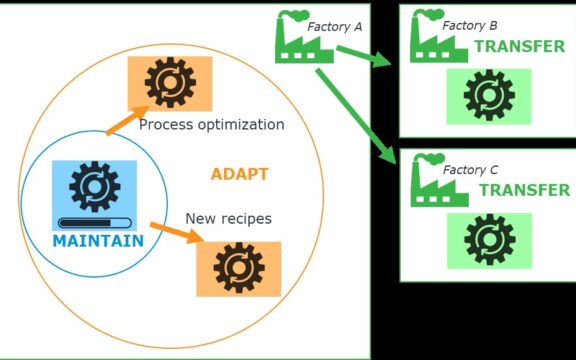
Carefree Models puts process model maintenance, adaptation and transfer into an integrated, automated, and predictive framework that quantifies and reduces the overall resources required to sustain process predictivity and resulting...

Completed
CRUISE – Cost Reduction Industrial Heatpumps
CRUISE project aims to develop 50% less expensive heat pump technology that generates heat in an economically feasible way

Completed
COMPACT – Pulsed Compression II
The goal of this project was to produce ethylene from methane using pulsed compression technology and to determine the feasibility for industrial applications.

Completed
COSMOS – Organic solvent nanofiltration membranes on low cost ceramic supports
The COSMOS-project found that membrane technology has the potential to replace or supplement current inefficient distillation processes.
Completed
VERA – Accelerating Energy Transition Realization Approach
The Vera project aims to further develop and implement industrial heat pumps in the Netherlands.

FUSE – FUll ScalE Industrial Heat Pump Using Natural Refrigerants
Supporting the development and success of an industrial heat pump market through the develeopment of a standardized, modular, flexible compression heat pump technology. Incentive High temperature industrial heat pumps are...
Completed
InReP – An Integrated approach towards Recycling of Plastics
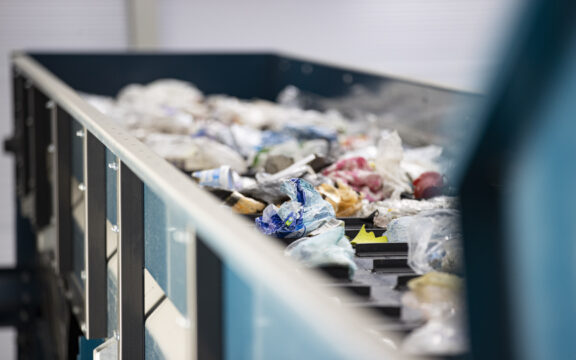
Recycling plastics is one of the biggest challenges the industry is facing today. This projects aims to overcome current challenges.

COMTA – COMpact modular Thermo Acoustic heat pump
To further develop the compact electrically driven thermoacoustic heat (TA) pump technology and to prepare for technical demonstration on full scale. The industry is a large consumer of energy and...