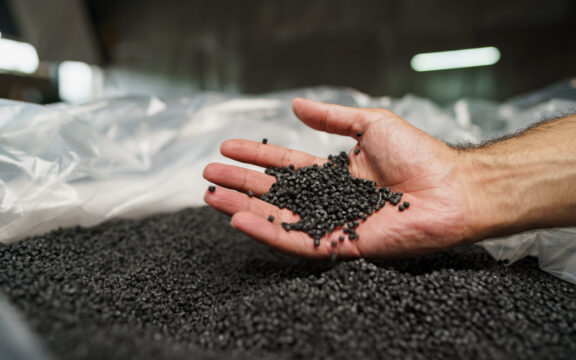
RePlaCE – Recycling of Plastics from Cars and Electronic Equipment
In this project we accelerate recycling of high‑quality engineering plastics from cars and electronic equipment.
Completed
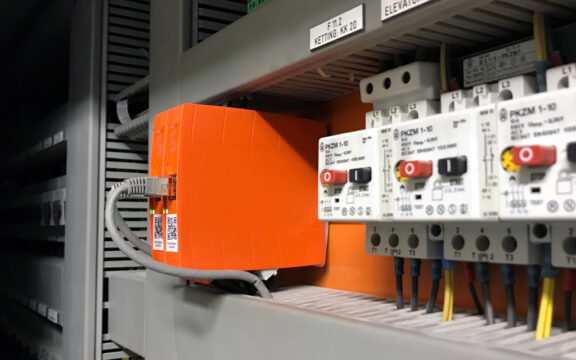
ERGO – Energy Reduction by Condition-based Monitoring
Unlocking energy efficiency and fault detection with electrical signal analysis Electric motors and rotating equipment—such as pumps, fans, compressors, and conveyors—consume over 40% of global electricity. However, nearly one-third of...

Completed
Biorefinery Program
Biorefinery enables the production of healthy ingredients and the recovery of valuable components (i.e. proteins) out of process streams.

Completed
Single Droplet Modelling
Multicomponent analysis of single droplet spray drying techniques and PhD research for the drying and dewatering program of ISPT.

Completed
Measurements 4 Management
Measurement 4 Management (M4M) focused on applying data-driven decision-making in the process industry, by combining artificial intelligence (AI) with the domain knowledge of process engineers.

EPRoTrans – Energy reduction technologies enabling PRotein Transition
Project Energy Efficient Protein Transition (EProTrans) investigates the processing of several mixed plant-based streams to produce plant-based proteins.
Completed
IMPROVISE – Improved process operation via rigorous simulation models
Improved daily operations of important chemical processes in the Dutch chemical industry through operation technology based on detailed physical models. Incentive Being able to anticipate what a chemical process is...

Completed
INSPEC – Integrating sensor based process monitoring and advanced process control
INSPEC quantitatively integrates information from state-of-the-art Process Analytical Technology, process measurements and dynamic process models (data driven or physics-based) into Advanced Process Control. This will induce a step-change with respect to...

Completed
CRUISE – Cost Reduction Industrial Heatpumps
CRUISE project aims to develop 50% less expensive heat pump technology that generates heat in an economically feasible way

Completed
SAAI – Social Acceptance of AI in Industry
The SAAI project focuses on accelerating the implementation of Artificial Intelligence (AI) in industry, leading to an energy use reduction of 5-40%, an increased competitiveness of industry, and increased economic...
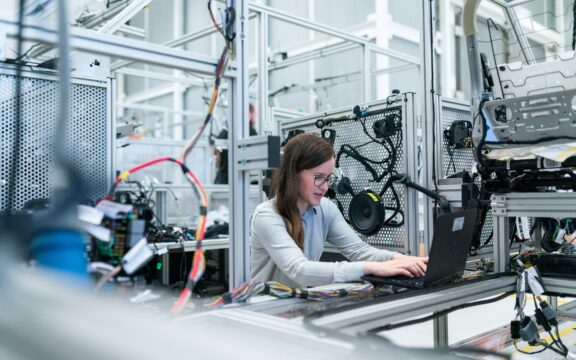
BEAP – Bundled Early Adaptor Project
BEAP helps SMEs make contact with industries, localize and develop their technologies to suite the specific needs of Dutch industrial partners.

SEUSS – Saving Energy by Upcycling of Side Streams
The shift to plant‑based proteins demands smarter, cleaner processing. SEUSS develops new ways to reduce energy use and recover valuable resources from side streams. In Short Energy-related challenges The protein...

Completed
FreezeCon – Freeze Concentration
Saving energy, improving product quality with freeze concentration as economically feasible bulk dewatering technology. Background Several technologies are available for liquid concentration in the food industry, the most common being...

Completed
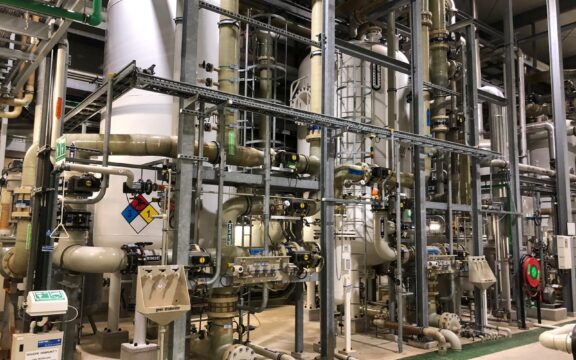
IMPACCT – Improved process performance by process intensification in centrifugal contactors
Centrifugal contactors, such as RPBs, could provide significant improvement of separation processes in the chemical industry. This technology seems potentially suitable for replacing or debottlenecking current unit operations which suffer...
Completed
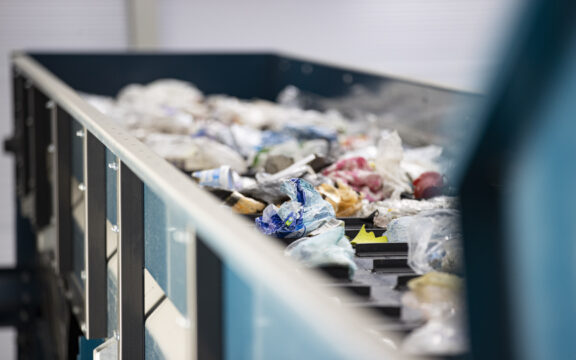
Steam and condensate quality
This project focuses on requiering better insights into the distribution and behaviour of conditioning chemicals that is used in their steam-water cycles and condensate polishing. Process industries strive for more...
Completed
InReP – An Integrated approach towards Recycling of Plastics
Recycling plastics is one of the biggest challenges the industry is facing today. This projects aims to overcome current challenges.
CareFree Models for real-time decision-making
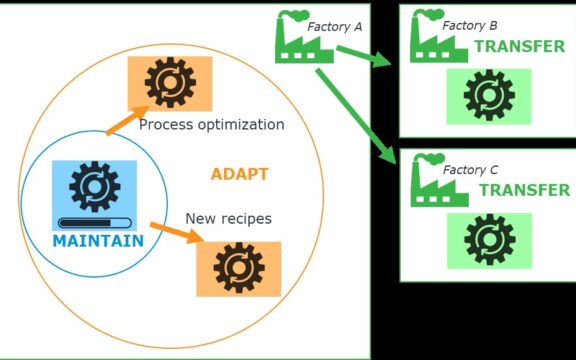
Carefree Models puts process model maintenance, adaptation and transfer into an integrated, automated, and predictive framework that quantifies and reduces the overall resources required to sustain process predictivity and resulting...

Completed
ECWRTI – Electrocoagulation for Water Recycling in Textile Industry
The ECWRTI project is about closing the waterloop in the textile industry.
Completed
MPPS – Multipurpose Plastic Sorting
This project focuses on radically innovating the way we address mechanical sorting of plastic waste.
Completed
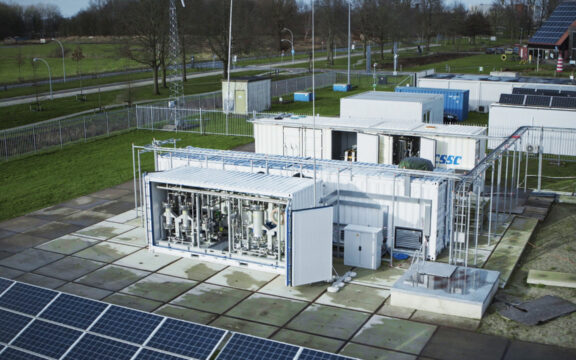
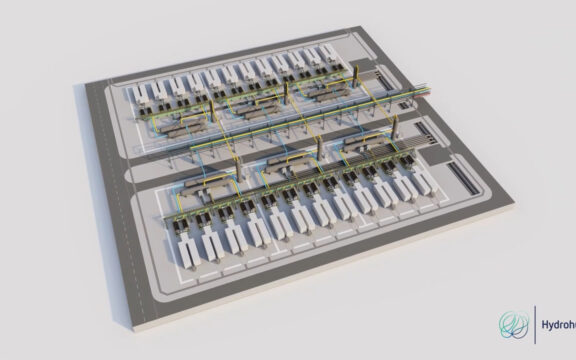
Hydrohub MegaWatt Test Center
This project covers the design, realization and exploration of the Hydrohub MegaWatt Test Center at the Zernike Campus in Groningen.
Completed
H2-Safety2 – Safety Standardisation of Green Hydrogen Electrolyser Systems
This hydrogen safety project aimed to develop recommendations for standardisation, meeting process safety requirements for large scale water electrolysis. This is an important step to enable a safe, integrated hydrogen-based...

Completed
HOPy – Headstart on pyrolysis
HOPy wants to find a solution that mitigates the environmental impact of plastic waste and taps into its potential as a resource for creating new materials.
Completed
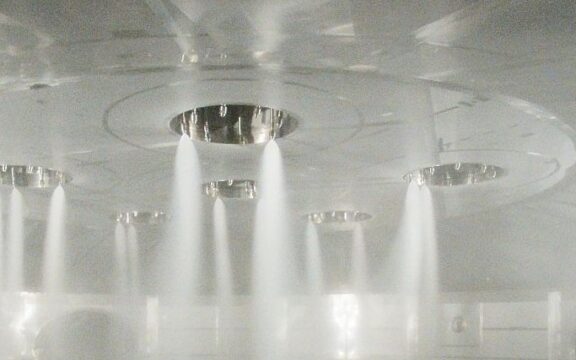
StAgglop: Reducing energy use and material loss by better control of agglomeration during spray drying
Project stAgglop aims to improve agglomeration control to contribute to the reduction of emissions for industrial drying systems.
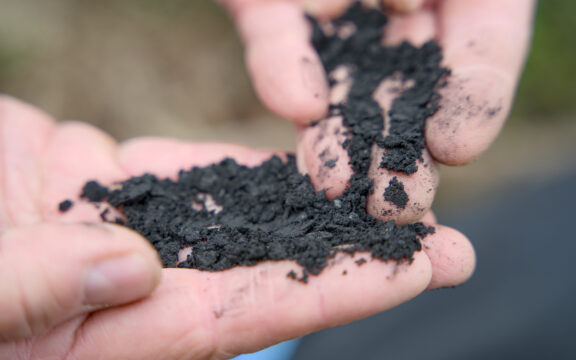
Bio4Steel
How can biochar — an organic material created by heating wood or other plant material in the absence of oxygen — play a role in replacing fossil coal in the...