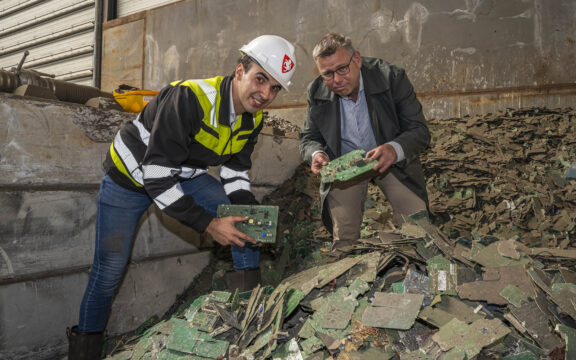
Renewable Building Blocks from Complex and wet waste Streams (ReBBloCS)
The ReBBloCS project aims to develop new circular value chains for the valorisation of complex and mixed waste streams into valuable chemical products.
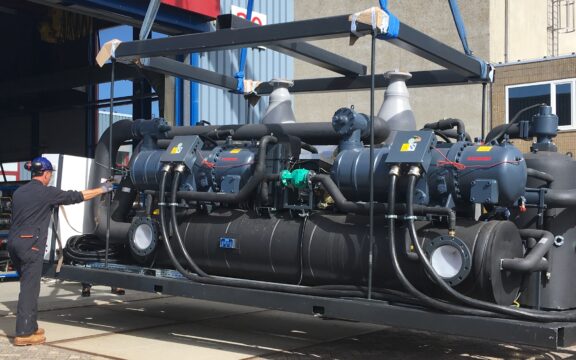
ENCORE – nExt geNeration COmpRession hEat pump
This project demonstrates the enhancement of compression heat pump performance by using a pilot scale test unit.
Completed
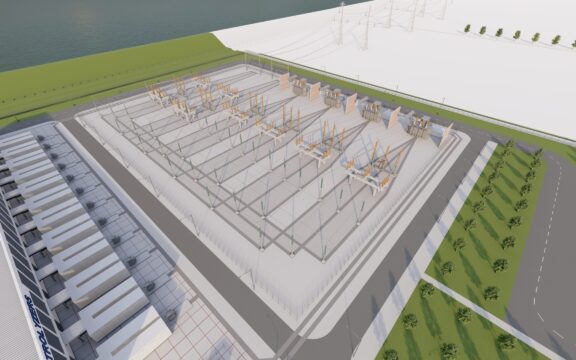
DC-DC converters – Green GW Hydrogen Plant
In this project we investigate DC-DC connections for large-scale green hydrogen plants to address space constraints, reduce investment costs (up to 25%), and mitigate significant electricity losses compared to traditional...

HP4INDUSTRY – Enhance collaboration between industry and heat pump stakeholders
The HP4INDUSTRY project pairs ambitious climate targets with concrete, replicable process integrated solutions for industrial heating and cooling, enabling cleaner, competitive manufacturing for Europe’s future.
Completed
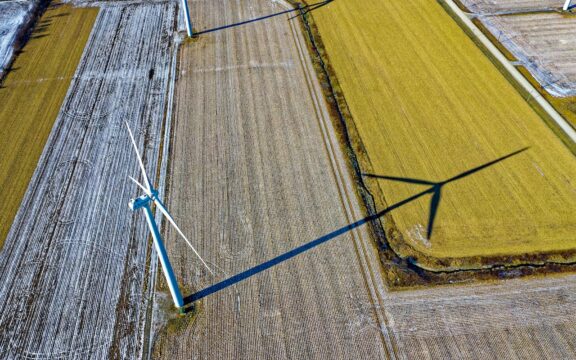
Probiotics – Low energy living bacterial food formulations
Research towards a novel and generic strategy for probiotics in low energy living bacterial food formulations
Completed
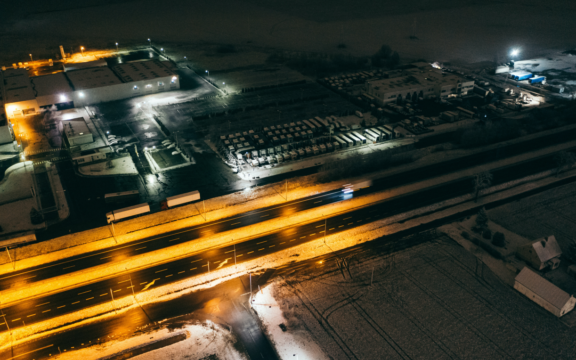
Methanol, the LOGIC Choice!
The LOGIC project scales-up the Liquid-Out Gas-In Concept reactor for methanol synthesis from CO2 and sustainable hydrogen.
Completed
e-Missi0n MOOI
e-Missi0n developed two technological routes for the emission free production of low-carbon olefins.
Completed
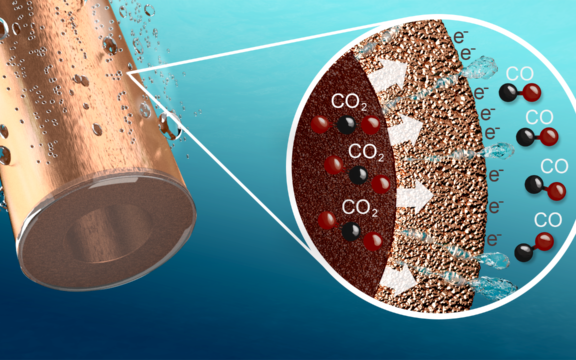
E3C – Electrons to Close the Carbon Cycle
Development and evaluation of tubular and flat porous electrodes for the electrochemical conversion of gasses at ambient temperature. Motivation Renewable electricity (RE) generation is currently growing at a rapid pace....

Completed
CirBind – Circular binder applications
ISPT's Cirbind project scales up the Plantics-GX bioresin production process to generate safe, strong & high impact circular binder applications.
Completed
HF2N – High Flux 2D Nanosheet membranes
High Flux 2D Nanosheet membranes to demonstrate and validate the high potential of a new class of inorganic high flux 2D Nanosheet membranes on a practical scale

DRAGONS Egg – Increasing energy efficiency by steering DRoplet AGglomeratiON in Spray dryers
The DRAGONS Egg-project aims to unravel the dynamics of atomisation behaviour in drying and agglomeration of the droplet.

Odysseus
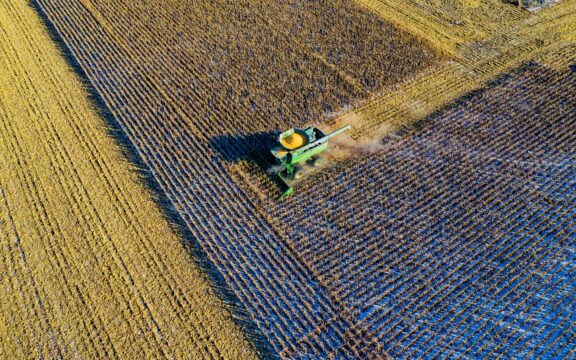
Goal of this project is to develop a library of complementary techniques for concentrating brines beyond reverse osmosis.
Completed
Biorefinery Program
Biorefinery enables the production of healthy ingredients and the recovery of valuable components (i.e. proteins) out of process streams.
Aramazing
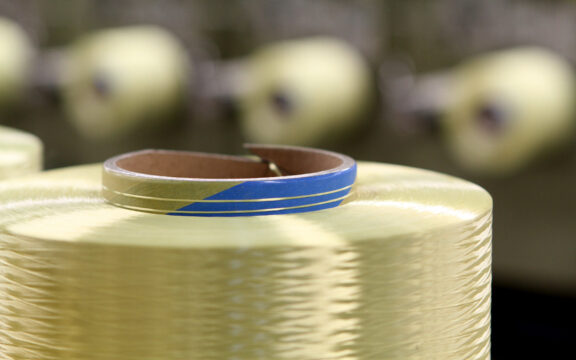
Aramids hold untapped potential in the journey towards sustainability. We can transform these once-disposed materials into a circular value chain, reducing waste, and striving for CO2 neutrality.

Completed
HOPy – Headstart on pyrolysis
HOPy wants to find a solution that mitigates the environmental impact of plastic waste and taps into its potential as a resource for creating new materials.

Completed
SiC – Silicon Carbide membranes for innovative oil-in-water separations
This project investigates the behavior of silicon carbide membranes in pilot trials. These determine fouling, cleaning options, cleaning frequency and the consequences for the long term performance and economics. Test...

Completed
Scissors – Super Critical Industrial Solution for Suspended Organic Residual Streams
Scissors researches the processing of specific wet waste streams through the potential of super critical water (SCW) technology.
EPRoTrans – Energy reduction technologies enabling PRotein Transition
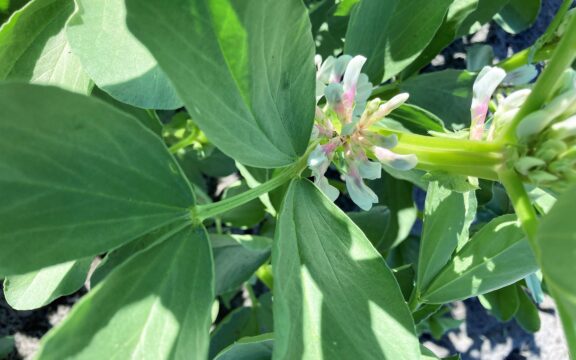
Project Energy Efficient Protein Transition (EProTrans) investigates the processing of several mixed plant-based streams to produce plant-based proteins.

New
ECO: Electrically Driven, Chemical-free Operations
The ECO project explores how electricity can replace chemical processing aids in water treatment, cleaning and separation processes.

Completed
PINcHED – Process INtegrated HEat pump Drying
This project creates greenfield conceptual design packages for contact and convective drying of a full scale. In addition, it focuses on establishing a fully heat pump integrated drying process, including...
Completed
ERGO – Energy Reduction by Condition-based Monitoring
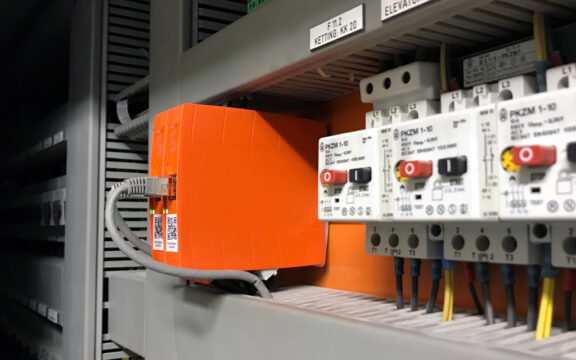
Unlocking energy efficiency and fault detection with electrical signal analysis Electric motors and rotating equipment—such as pumps, fans, compressors, and conveyors—consume over 40% of global electricity. However, nearly one-third of...
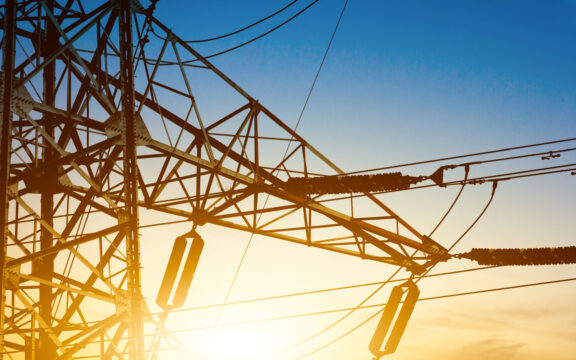
FlexPower: Accelerating industrial electrification for a CO2-neutral future
Industrial electrification is key to achieving the Netherlands’ goal of reducing CO2 emissions by 60% by 2030 and becoming climate-neutral by 2050. The FlexPower project focuses on flexible and efficient...
Completed
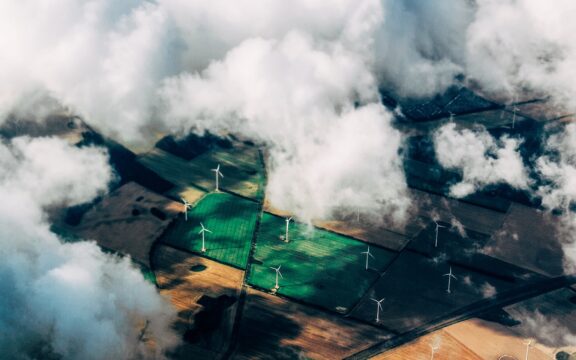
Carbon Transition Model
The Carbon Transition Model is a simulation model to explore ways to reduce emissions and increase carbon circularity.
Completed
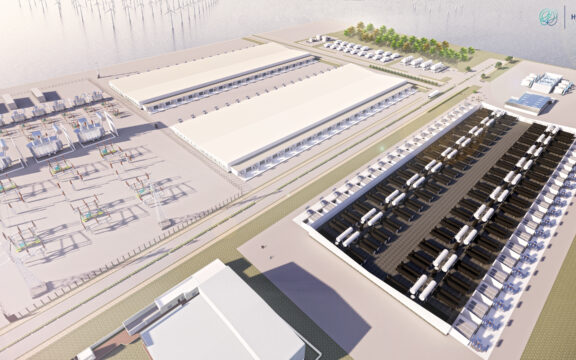
Hydrohub GigaWatt Scale Electrolyser
We are an important step further towards a Dutch hydrogen economy: the design for an advanced green hydrogen plant at large scale.