
Completed
HyChain – Energy Carriers and Hydrogen Supply Chain
The HyChain project is focused on a strategic understanding of the drivers behind global emergence of future renewable hydrogen value chains.

ReCoVR – Recovery and Circularity of Valuable Resources
ReCoVR designs and develops novel functional materials and technologies to selectively recover high-value molecules.
Completed
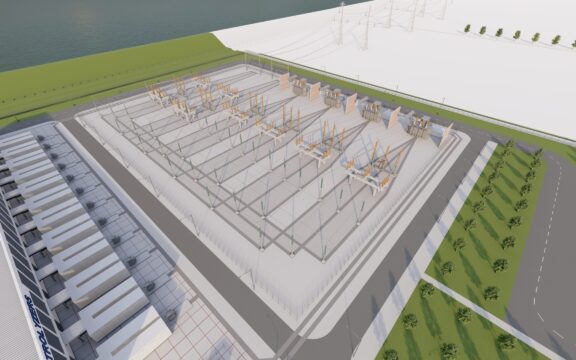
DC-DC converters – Green GW Hydrogen Plant
In this project we investigate DC-DC connections for large-scale green hydrogen plants to address space constraints, reduce investment costs (up to 25%), and mitigate significant electricity losses compared to traditional...
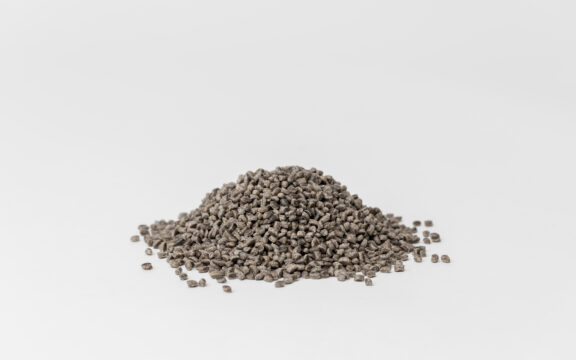
Advanced Carbohydrates Biorefinery: From Waste to Value
Every year, large amounts of tertiary cellulose end up being incinerated. This results in unnecessary CO₂ emissions and loss of valuable material. The ACB project develops an alternative route: one...
Completed
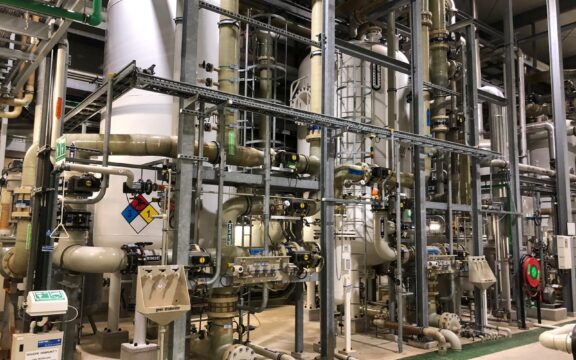
Steam and condensate quality
This project focuses on requiering better insights into the distribution and behaviour of conditioning chemicals that is used in their steam-water cycles and condensate polishing. Process industries strive for more...

Completed
HOPy – Headstart on pyrolysis
HOPy wants to find a solution that mitigates the environmental impact of plastic waste and taps into its potential as a resource for creating new materials.
Completed
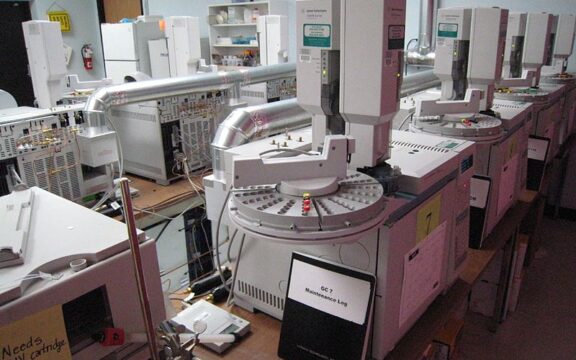
AIDA – Accelerate the Integration of Digitalisation Acceptation
The AIDA project performs research towards predictive capabilities and integration of digital technologies at the various levels of individual processes.
Completed
Carbon Transition Model
The Carbon Transition Model is a simulation model to explore ways to reduce emissions and increase carbon circularity.
Circular Aromatics – Turning Waste into High-Value Circular Plastics
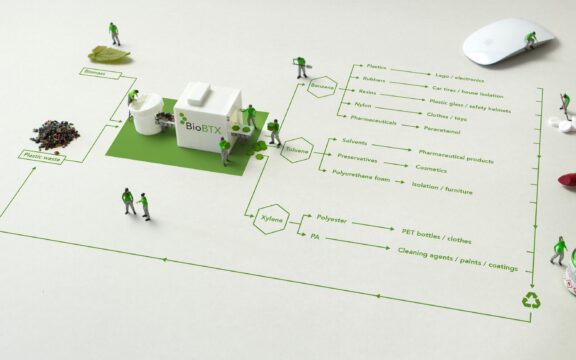
As the world moves toward net-zero carbon goals, the demand for sustainable materials is rapidly increasing. Plastics, essential in countless applications, must evolve to meet the demands of a circular,...
Completed
ERGO – Energy Reduction by Condition-based Monitoring
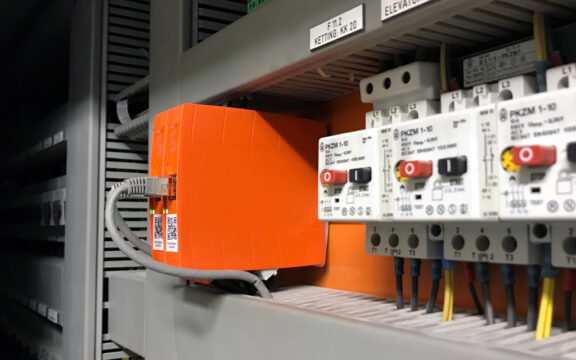
Unlocking energy efficiency and fault detection with electrical signal analysis Electric motors and rotating equipment—such as pumps, fans, compressors, and conveyors—consume over 40% of global electricity. However, nearly one-third of...
Electrified – Electrically driven non-thermal dewatering of biomass
The aim of the Electrified project is to establish new technologies for future key technologies for biomass dewatering.

Completed
GRIP on Drying
This project investigates how inline sensors can help improving product quality and efficiency.

COMTA – COMpact modular Thermo Acoustic heat pump
To further develop the compact electrically driven thermoacoustic heat (TA) pump technology and to prepare for technical demonstration on full scale. The industry is a large consumer of energy and...
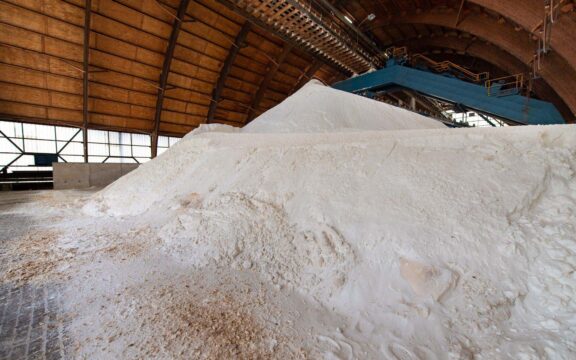
STARBATCH- Sodium Tetra chloro Aluminate Recyclable BATtery CHemicals
Storage of electricity will play a major role in the energy transition. Lithium-based batteries are now being produced on a large scale, but require expensive resources that are not widely...

EPRoTrans – Energy reduction technologies enabling PRotein Transition
Project Energy Efficient Protein Transition (EProTrans) investigates the processing of several mixed plant-based streams to produce plant-based proteins.

Completed
CRUISE – Cost Reduction Industrial Heatpumps
CRUISE project aims to develop 50% less expensive heat pump technology that generates heat in an economically feasible way
Completed
Novel Process Routes – Reduction of energy use by novel process routes for food (ProFo)
Several partners are working towards a 50% reduction of energy use developing novel process routes in food processing.

Odysseus
Goal of this project is to develop a library of complementary techniques for concentrating brines beyond reverse osmosis.
Completed
LEMPLAR – Losses & Emissions in Plastic Recycling
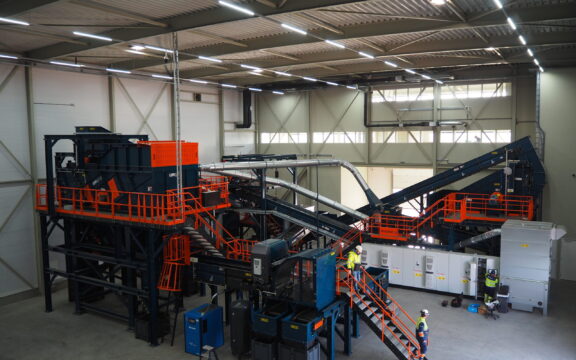
The plastic recycling process today has losses and emissions, such as microplastics, inks and incorrectly sorted plastics. This prevents us of closing the plastic cycle.

Completed
ZERO BRINE
The ZERO BRINE project combines technologies to recover products of high quality and sufficient purity from brine.
PoSiMem – Periodic organosilica nanofiltration membranes
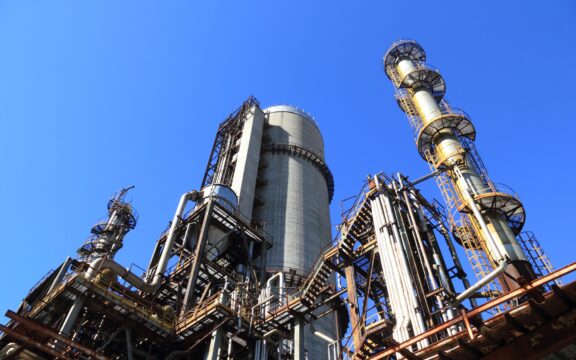
This project aims to develop robust, reproducible and easy to scale-up approaches for the production of novel nanofiltration (NF) membranes.

Completed
EAMS – Energy efficient Affinity-driven Molecular Separation
The aim of the EAMS project is to: Application New or improved affinity separation options for selected cases: extractive distillation and (reactive) liquid-liquid extraction.
Completed
BRECSIT – Bio-based REsin CompoSIte Technologies
Plantics-GX composites can replace conventional, fossil-based plastic composites.

DRAGONS Egg – Increasing energy efficiency by steering DRoplet AGglomeratiON in Spray dryers
The DRAGONS Egg-project aims to unravel the dynamics of atomisation behaviour in drying and agglomeration of the droplet.