
PolarASol – Polar Aqueous Solvents recycling
PolarASol develops a practical decision framework to help industry recycle polar solvents efficiently, even in the most complex aqueous streams.
Completed
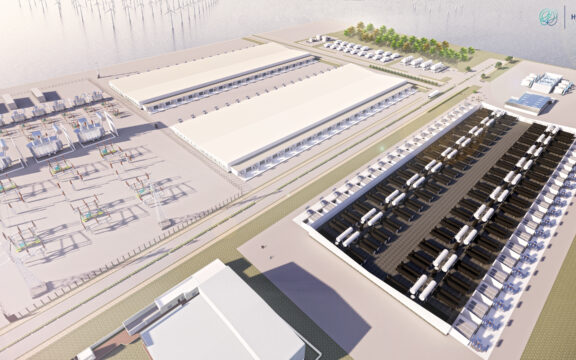
Hydrohub GigaWatt Scale Electrolyser
We are an important step further towards a Dutch hydrogen economy: the design for an advanced green hydrogen plant at large scale.

ECONEXT – Enabling protein CONcentrates for EXTrusion
ECONEXT paves the way for a sustainable shift in protein production—one that’s not just better for the planet, but also economically viable and locally rooted.

ReValue – Recovery of Valuable minerals with hybrid ceramic membrane crystallization
The ReValue project explores the potential of membrane crystallization, a promising technology to recover valuable compounds from aqueous streams.
Completed
SUPP – Steel Slag Upgrading and PCC Production
The aim of the SUPP project is to create one combined and integrated robust batch process in order to stabilize and upgrade steel slag and neutralize hydrochloric acid. In addition, it...
Completed
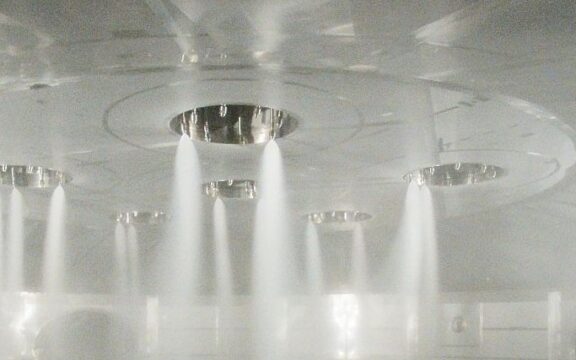
RMZD – Radial Multi-Zone Drying
The Radial Multi-zone Dryer (RMD) project investigates new type of spray dryer for premium product properties and low specific energy consumption.
Advanced Carbohydrates Biorefinery: From Waste to Value
Every year, large amounts of tertiary cellulose end up being incinerated. This results in unnecessary CO₂ emissions and loss of valuable material. The ACB project develops an alternative route: one...

Completed
HOPy – Headstart on pyrolysis
HOPy wants to find a solution that mitigates the environmental impact of plastic waste and taps into its potential as a resource for creating new materials.
Completed
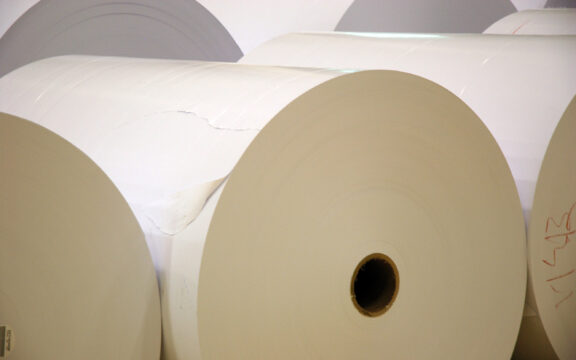
PRIDES: Deep Eutectic Solvents in the Paper Industry
The European project cluster aims to approach 80% CO2 emission reduction in the lignocellulose processing chain.
Completed
MilDeWat – Breakthrough Mild Dewatering Technologies
This project will enhance the implementation of mild (energy extensive) dewatering technologies to contribute to industry's energy reduction goals.
Completed
RFS – Radio Frequent Sterilization
Heating with Radio Frequent Sterilization (RFS) has large advantages for the product quality.
Completed
e-Missi0n MOOI
e-Missi0n developed two technological routes for the emission free production of low-carbon olefins.

Completed
Nanofiltration (EAMS) – Hybrid membranes for organic solvent nanofiltration
Nanofiltration (EAMS) is a project that focusses on finding practical and economical viable membrane materials to be commercially applied.
Completed
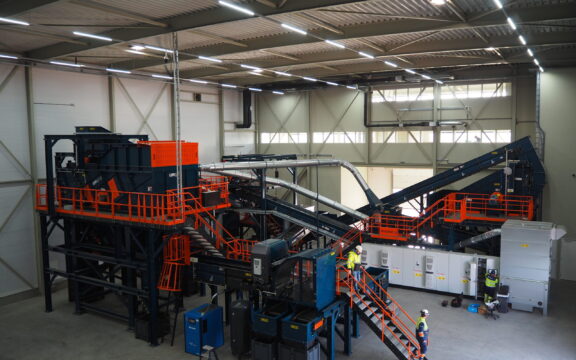
LEMPLAR – Losses & Emissions in Plastic Recycling
The plastic recycling process today has losses and emissions, such as microplastics, inks and incorrectly sorted plastics. This prevents us of closing the plastic cycle.

SPOT: Sustainable PrOcess heaTing
SPOT (Sustainable PrOcess) aims to reduce the use of fossil energy use for industrial heat with at least 100 PJ/year in 2030.

Completed
Provides
The Provides initiative aims to make the paper industry more sustainable by developing Deep Eutectic Solvents (DES).
PoSiMem – Periodic organosilica nanofiltration membranes
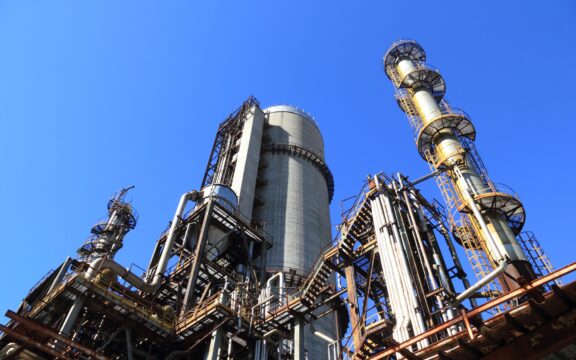
This project aims to develop robust, reproducible and easy to scale-up approaches for the production of novel nanofiltration (NF) membranes.
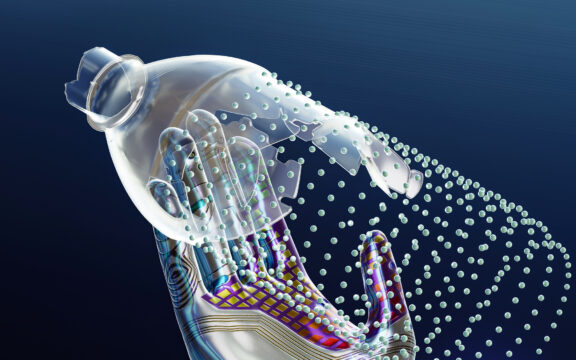
PlastiCycle 4.0 – Revolutionizing smart formulation in mechanical recycling for closing the circular value chain
Transforming plastic waste into high-quality recycled plastics. Discover how PlastiCycle 4.0 is revolutionizing mechanical recycling.
Completed
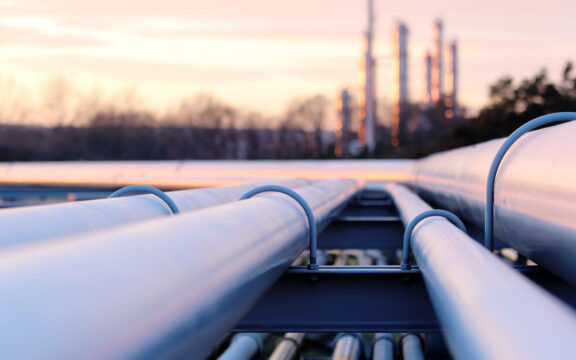
Ammonia Pipeline Safety
The Clean Ammonia Platform is doing a study on safety design and risk impact of ammonia pipelines to explore ways to safely transport large volumes of ammonia by pipeline in...
Completed
HF2N – High Flux 2D Nanosheet membranes
High Flux 2D Nanosheet membranes to demonstrate and validate the high potential of a new class of inorganic high flux 2D Nanosheet membranes on a practical scale
FLEXSTEAM – Development of heat storage for industrial steam
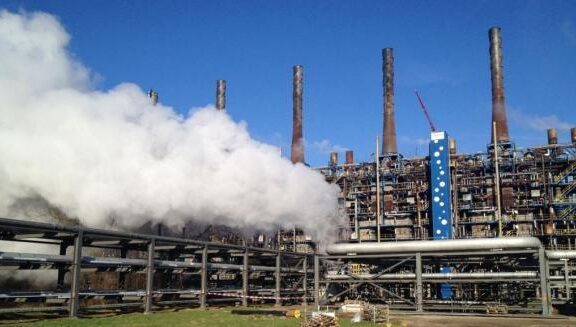
The FLEXSTEAM project aims to improve the way we can store and re-use thermal energy by using so called ‘Phase Changing Materials’ (PCMs). To achieve a fully circular economy we...
Completed
Hydrohub MegaWatt Test Center
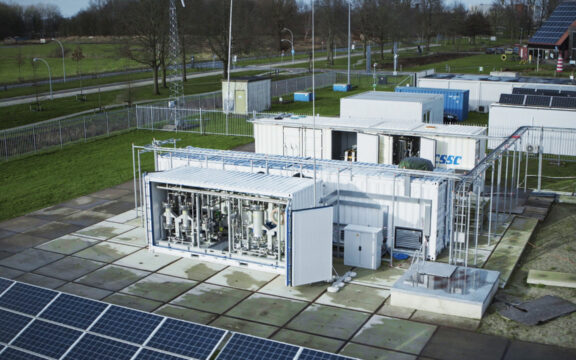
This project covers the design, realization and exploration of the Hydrohub MegaWatt Test Center at the Zernike Campus in Groningen.

Completed
HyChain – Energy Carriers and Hydrogen Supply Chain
The HyChain project is focused on a strategic understanding of the drivers behind global emergence of future renewable hydrogen value chains.
Completed
E3C – Electrons to Close the Carbon Cycle
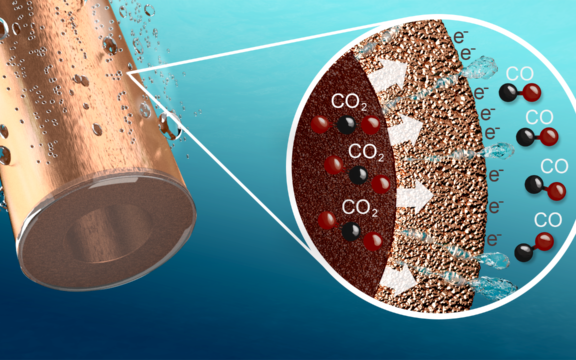
Development and evaluation of tubular and flat porous electrodes for the electrochemical conversion of gasses at ambient temperature. Motivation Renewable electricity (RE) generation is currently growing at a rapid pace....