
Completed
Preciouspitation
Obtaining process water out of rain from own roof with high energy saving potential compared to current processes. Motivation and Scope Rainwater is already chemically very pure. Only some evaporated...

Completed
Single Droplet Modelling
Multicomponent analysis of single droplet spray drying techniques and PhD research for the drying and dewatering program of ISPT.
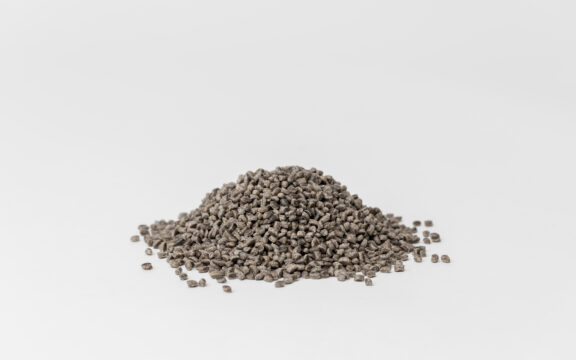
Advanced Carbohydrates Biorefinery: From Waste to Value
Every year, large amounts of tertiary cellulose end up being incinerated. This results in unnecessary CO₂ emissions and loss of valuable material. The ACB project develops an alternative route: one...
Completed
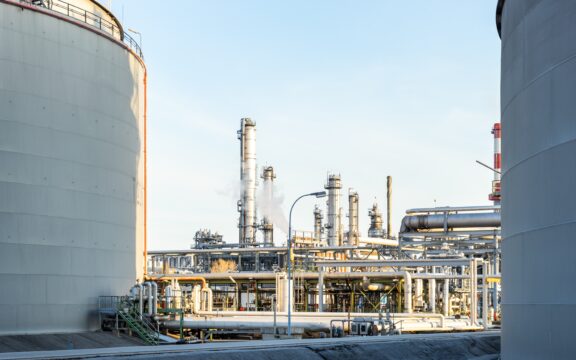
Amazing – Additive Manufacturing for Zero-Emission Innovative Green Chemistry
Amazing is about replacing large-scale high-temperature cracking processes with electrically driven thermocatalytic dehydrogenation.
Completed
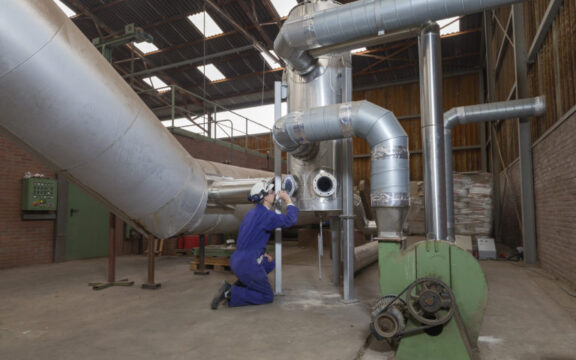
Demonstration Polymer Heat Exchanger
The goal of this project is to demonstrate the innovative technologies as developed by HeatMatrix in the industrial process in the BioMCN factories. On the one hand this would result...

Completed
ZERO BRINE
The ZERO BRINE project combines technologies to recover products of high quality and sufficient purity from brine.
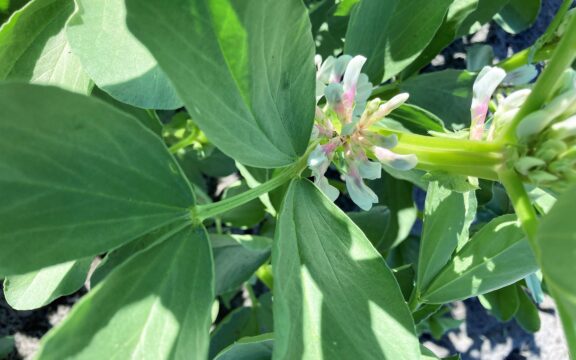
EPRoTrans – Energy reduction technologies enabling PRotein Transition
Project Energy Efficient Protein Transition (EProTrans) investigates the processing of several mixed plant-based streams to produce plant-based proteins.

ReCoVR – Recovery and Circularity of Valuable Resources
ReCoVR designs and develops novel functional materials and technologies to selectively recover high-value molecules.

Completed
GRIP on Drying
This project investigates how inline sensors can help improving product quality and efficiency.
Completed
Probiotics – Low energy living bacterial food formulations
Research towards a novel and generic strategy for probiotics in low energy living bacterial food formulations
Completed
BRECSIT – Bio-based REsin CompoSIte Technologies
Plantics-GX composites can replace conventional, fossil-based plastic composites.
Completed
SUPP – Steel Slag Upgrading and PCC Production
The aim of the SUPP project is to create one combined and integrated robust batch process in order to stabilize and upgrade steel slag and neutralize hydrochloric acid. In addition, it...

Completed
Measurements 4 Management
Measurement 4 Management (M4M) focused on applying data-driven decision-making in the process industry, by combining artificial intelligence (AI) with the domain knowledge of process engineers.

Completed
Nanofiltration (EAMS) – Hybrid membranes for organic solvent nanofiltration
Nanofiltration (EAMS) is a project that focusses on finding practical and economical viable membrane materials to be commercially applied.
Completed
E3C – Electrons to Close the Carbon Cycle
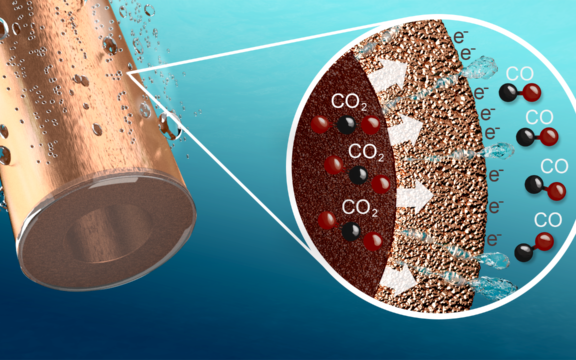
Development and evaluation of tubular and flat porous electrodes for the electrochemical conversion of gasses at ambient temperature. Motivation Renewable electricity (RE) generation is currently growing at a rapid pace....
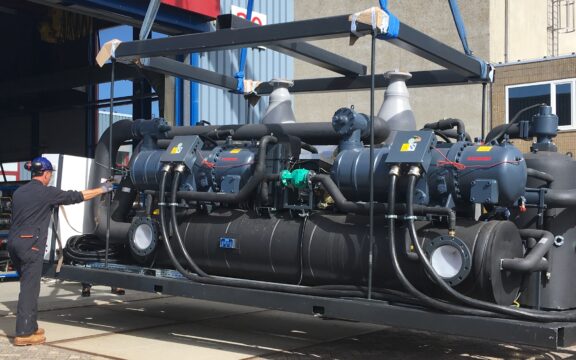
LESSON – Oil free compressor for ammonia based high temperature heat pumps
Wet compression allows for close to isothermal conditions during compression resulting in higher compression isentropic efficiencies. It further prevents operation in the superheating zone of the working fluids of heat...
Completed
DISCO – Downstream ISolation of high-value COmponents
The Downstream ISolation of high-value Components (DISCO) aims to lower the material use and increase the energy-efficiency.
Completed
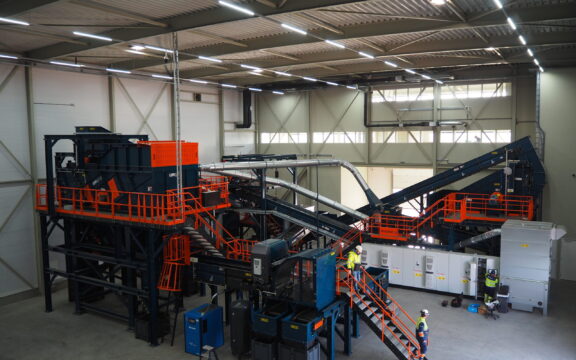
LEMPLAR – Losses & Emissions in Plastic Recycling
The plastic recycling process today has losses and emissions, such as microplastics, inks and incorrectly sorted plastics. This prevents us of closing the plastic cycle.
Completed
VERA – Accelerating Energy Transition Realization Approach
The Vera project aims to further develop and implement industrial heat pumps in the Netherlands.
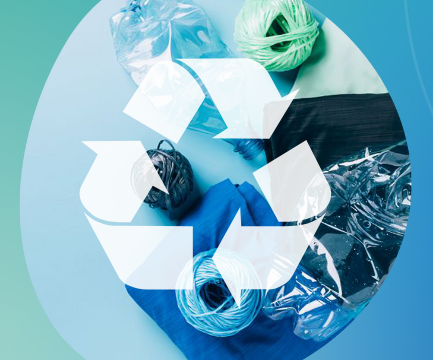
TEXPOWER – Textile Polycotton Waste Evaluation & Recycling
The TEXPOWER project aims to enable a transparent, circular polycotton textile value chain for a sustainable industry in the Netherlands.
Completed
MPPS – Multipurpose Plastic Sorting
This project focuses on radically innovating the way we address mechanical sorting of plastic waste.
Completed
IoF – Internet of Food
The Internet of Food (IoF) project defines the sharing of data and models in order to improve sensing systems in food production.
Completed
COMPACT – Pulsed Compression II
The goal of this project was to produce ethylene from methane using pulsed compression technology and to determine the feasibility for industrial applications.
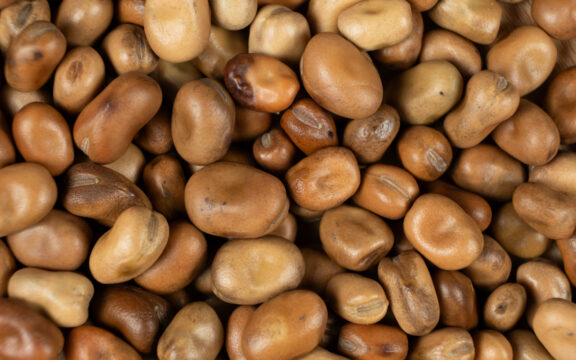
ECONEXT – Enabling protein CONcentrates for EXTrusion
ECONEXT paves the way for a sustainable shift in protein production—one that’s not just better for the planet, but also economically viable and locally rooted.