Completed
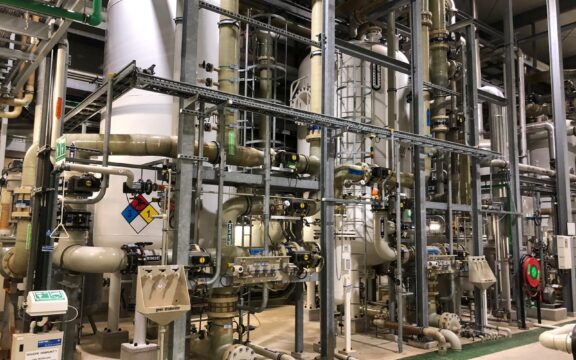
Steam and condensate quality
This project focuses on requiering better insights into the distribution and behaviour of conditioning chemicals that is used in their steam-water cycles and condensate polishing. Process industries strive for more...
Completed
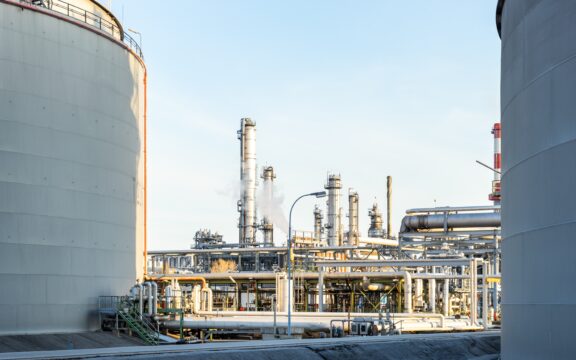
Amazing – Additive Manufacturing for Zero-Emission Innovative Green Chemistry
Amazing is about replacing large-scale high-temperature cracking processes with electrically driven thermocatalytic dehydrogenation.
FLEXSTEAM – Development of heat storage for industrial steam
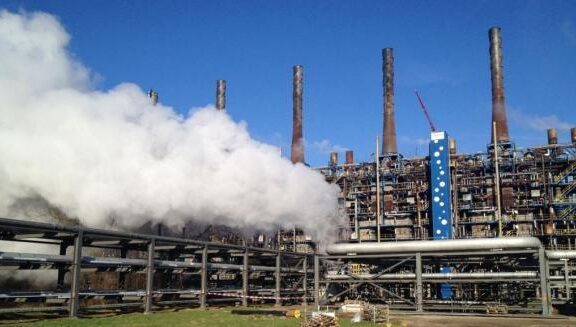
The FLEXSTEAM project aims to improve the way we can store and re-use thermal energy by using so called ‘Phase Changing Materials’ (PCMs). To achieve a fully circular economy we...

Completed
SiC – Silicon Carbide membranes for innovative oil-in-water separations
This project investigates the behavior of silicon carbide membranes in pilot trials. These determine fouling, cleaning options, cleaning frequency and the consequences for the long term performance and economics. Test...
Completed
WeCare – We Create Awareness & Reduce Energy
The WeCARE project demonstrated the possibilities of Artificial Intelligence technology of EnergQ at a selected number of end users. EnerGQ’s self-learning energy management technology unveiled the excessive energy consumption and with that...

FUSE – FUll ScalE Industrial Heat Pump Using Natural Refrigerants
Supporting the development and success of an industrial heat pump market through the develeopment of a standardized, modular, flexible compression heat pump technology. Incentive High temperature industrial heat pumps are...
Completed
TENMIP – Testing and evaluation of nanofiltration membranes in industrial processes
Make very tight, low swelling NF or RO membranes for organic solvents, test them in process mixtures as present in industry and demonstrate / evaluate their economic feasibility on small...

Odysseus
Goal of this project is to develop a library of complementary techniques for concentrating brines beyond reverse osmosis.

Completed
HyChain – Energy Carriers and Hydrogen Supply Chain
The HyChain project is focused on a strategic understanding of the drivers behind global emergence of future renewable hydrogen value chains.

Completed
ECWRTI – Electrocoagulation for Water Recycling in Textile Industry
The ECWRTI project is about closing the waterloop in the textile industry.

SUNSOLr: Electrification of Chemical Conversions
The SUNSOLr project is dedicated to developing technologies for the direct electrification of chemical conversions, focusing on CO2 and H2O/H2 to produce chemicals like CO, CH4, olefins, and methanol.

Completed
Cell-U-Value
Cell-U-Value developed and utilized the capabilities of tertiary cellulose as a feedstock for biobased and sustainable chemicals to its fullest potential.

The Heat Is On
The Heat is On aims to make processes for dewatering, drying and heat integration more efficient.
Completed
CMF – Controlling Multiphase Flow
This Industrial Partnership Programme aims at understanding the rheology of complex emulsions and their stability under flow. While there is much empirical knowledge about emulsion rheology and stability, the microscopic...

Fingerprint 2 Footprint
Fingerprint 2 Footprint translates chemical fingerprint measurements inside and near chemical processes to reduce environmental footprints, while retaining or improving process economy and consistency.
Advanced Carbohydrates Biorefinery: From Waste to Value
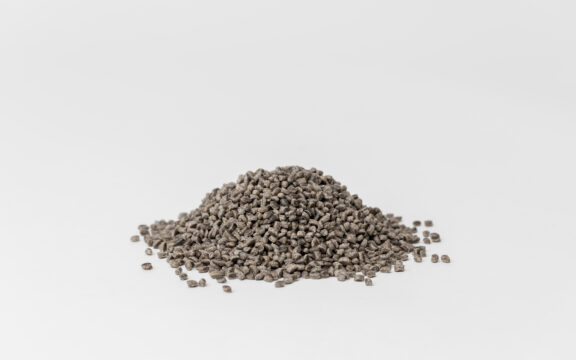
Every year, large amounts of tertiary cellulose end up being incinerated. This results in unnecessary CO₂ emissions and loss of valuable material. The ACB project develops an alternative route: one...

Completed
IMPACCT – Improved process performance by process intensification in centrifugal contactors
Centrifugal contactors, such as RPBs, could provide significant improvement of separation processes in the chemical industry. This technology seems potentially suitable for replacing or debottlenecking current unit operations which suffer...

ECONEXT – Enabling protein CONcentrates for EXTrusion
ECONEXT paves the way for a sustainable shift in protein production—one that’s not just better for the planet, but also economically viable and locally rooted.

Completed
EBI – Engineering Business Intelligence
The EBI project uses data collection, data analytics and data visualization to reduce energy usage in existing processes by 5-25%.
Aramazing
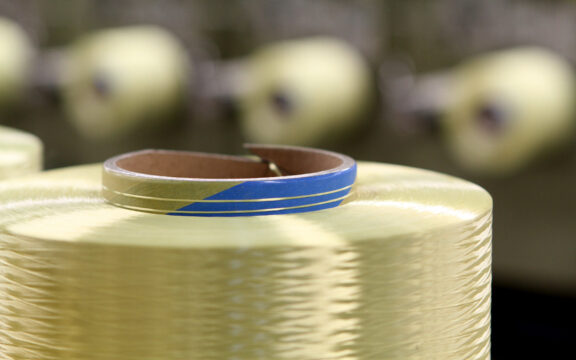
Aramids hold untapped potential in the journey towards sustainability. We can transform these once-disposed materials into a circular value chain, reducing waste, and striving for CO2 neutrality.
Completed
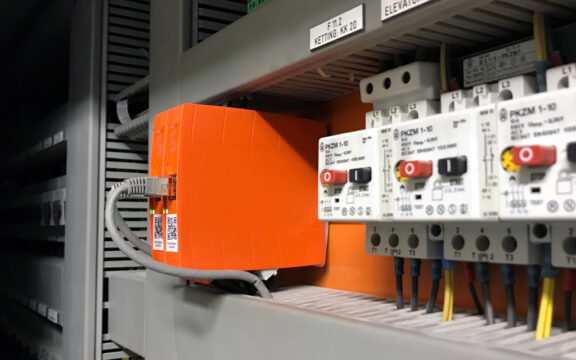
ERGO – Energy Reduction by Condition-based Monitoring
Unlocking energy efficiency and fault detection with electrical signal analysis Electric motors and rotating equipment—such as pumps, fans, compressors, and conveyors—consume over 40% of global electricity. However, nearly one-third of...
Completed
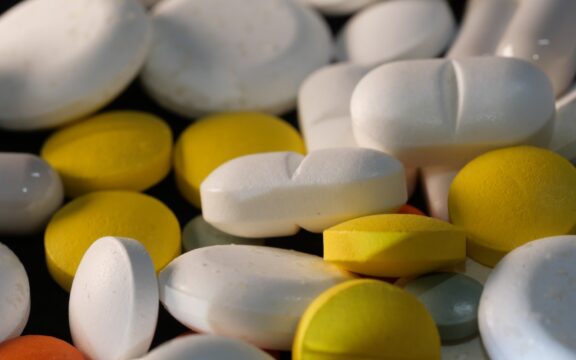
Probiotics – Low energy living bacterial food formulations
Research towards a novel and generic strategy for probiotics in low energy living bacterial food formulations
Completed
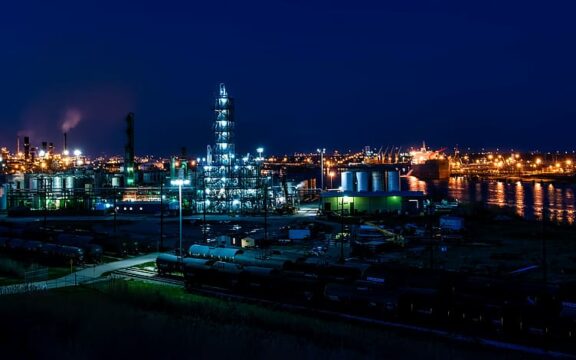
IMPROVISE – Improved process operation via rigorous simulation models
Improved daily operations of important chemical processes in the Dutch chemical industry through operation technology based on detailed physical models. Incentive Being able to anticipate what a chemical process is...
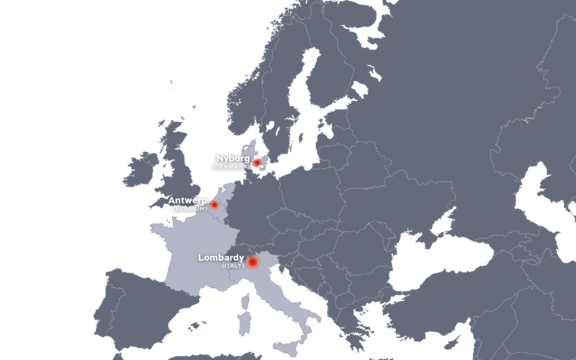
R-ACES – FRamework for Actual Cooperation on Energy on Sites and Parks
R-ACES aims to turn high-potential, high-impact industrial clusters into eco-regions with at least 10% reduction in emissions in smart energy.