Completed
AIDA – Accelerate the Integration of Digitalisation Acceptation
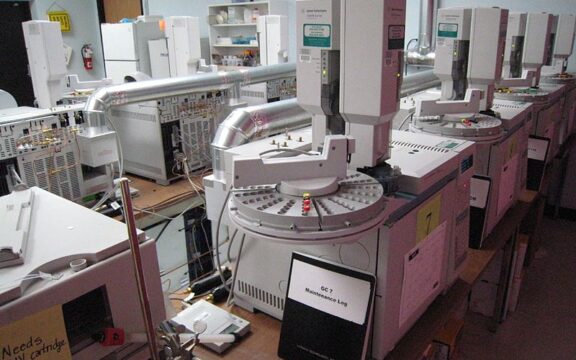
The AIDA project performs research towards predictive capabilities and integration of digital technologies at the various levels of individual processes.
TREPS – Trace Removal Using Electrically Powered Separations
In a circular economy, traces need to be removed to keep the loop clean. TREPS deals with trace removal using electricity.
Completed
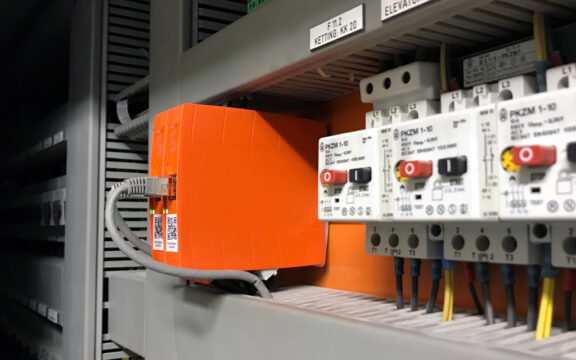
ERGO – Energy Reduction by Condition-based Monitoring
Unlocking energy efficiency and fault detection with electrical signal analysis Electric motors and rotating equipment—such as pumps, fans, compressors, and conveyors—consume over 40% of global electricity. However, nearly one-third of...
Completed
TENMIP – Testing and evaluation of nanofiltration membranes in industrial processes
Make very tight, low swelling NF or RO membranes for organic solvents, test them in process mixtures as present in industry and demonstrate / evaluate their economic feasibility on small...
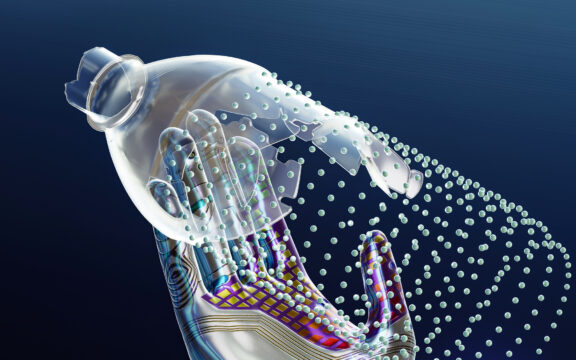
PlastiCycle 4.0 – Revolutionizing smart formulation in mechanical recycling for closing the circular value chain
Transforming plastic waste into high-quality recycled plastics. Discover how PlastiCycle 4.0 is revolutionizing mechanical recycling.
Completed
INSPEC – Integrating sensor based process monitoring and advanced process control
INSPEC quantitatively integrates information from state-of-the-art Process Analytical Technology, process measurements and dynamic process models (data driven or physics-based) into Advanced Process Control. This will induce a step-change with respect to...
Completed
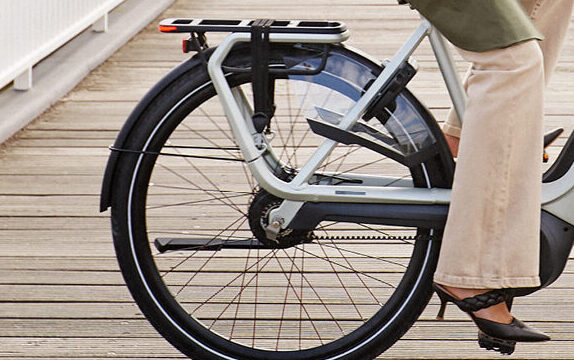
ReCYCLE – Electrical bike with durable circular plastic parts
ReCYCLE is a cutting-edge project that combines electric bikes with durable circular plastic parts, pushing the boundaries of innovation in sustainability.
Completed
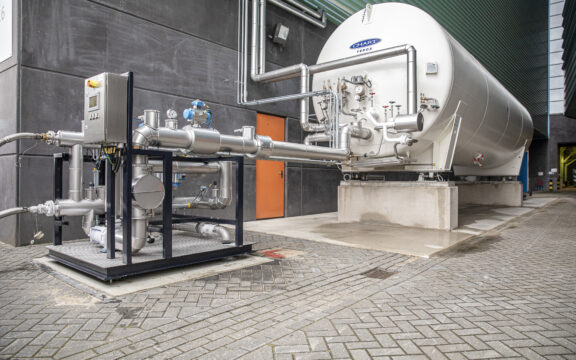
PROVE IT
PROVE IT is all about the technical feasibility of the production of methanol from CO2 waste gas.
Completed
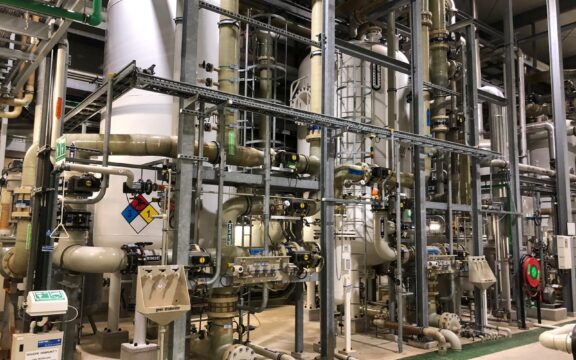
Steam and condensate quality
This project focuses on requiering better insights into the distribution and behaviour of conditioning chemicals that is used in their steam-water cycles and condensate polishing. Process industries strive for more...
Electrified – Electrically driven non-thermal dewatering of biomass
The aim of the Electrified project is to establish new technologies for future key technologies for biomass dewatering.

New
HP4INDUSTRY – Enhance collaboration between industry and heat pump stakeholders
The HP4INDUSTRY project pairs ambitious climate targets with concrete, replicable process integrated solutions for industrial heating and cooling, enabling cleaner, competitive manufacturing for Europe’s future.
Ammonia to Power
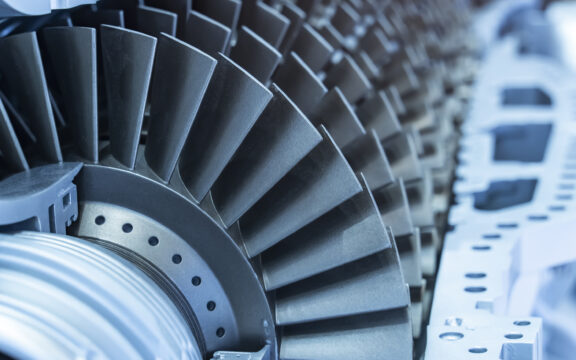
The Ammonia to Power project explores the techno-economic potential of ammonia powered electricity generation.
Completed
EAMS – Energy efficient Affinity-driven Molecular Separation
The aim of the EAMS project is to: Application New or improved affinity separation options for selected cases: extractive distillation and (reactive) liquid-liquid extraction.
Completed
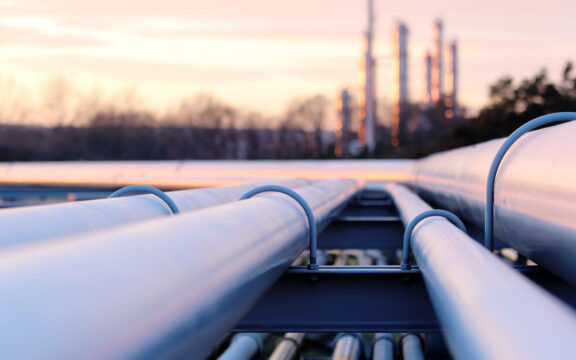
Ammonia Pipeline Safety
The Clean Ammonia Platform is doing a study on safety design and risk impact of ammonia pipelines to explore ways to safely transport large volumes of ammonia by pipeline in...

Completed
CALMEM – Ceramic atomic layer deposited Nanofiltration membranes for separation of challenging industrial streams
Calmem concerns nano manufactured ceramic membranes that can supersede distillation columns for energy saving in the Netherlands.
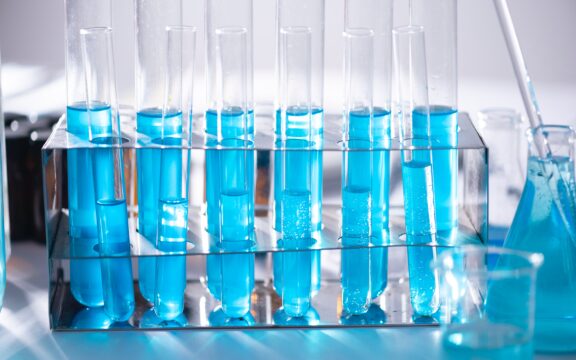
Recircanol: Circular recovery of ethanol from alkaline-ethanol media at high pH using membrane technology
This project develops nanofiltration membranes and membrane modules for alkaline-alcohol media at high pH for the purification of ethanol and caustic.
Completed
e-Missi0n MOOI
e-Missi0n developed two technological routes for the emission free production of low-carbon olefins.
Completed
Thin Film Drying
A part of the drying and dewattering program with Thin Film Drying as a new technology for product quality and energy consumption
Completed
Cell-U-Value
Cell-U-Value developed and utilized the capabilities of tertiary cellulose as a feedstock for biobased and sustainable chemicals to its fullest potential.
Completed
Fine Biofuels
In the Netherlands there is a total quantity of 1 million tons of roadside grass which must be mowed at least twice a year to keep the roadside banks safe....
Completed
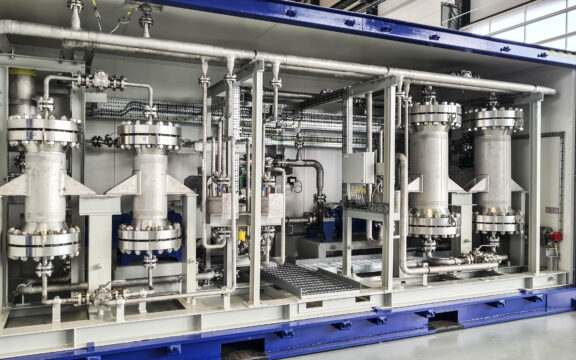
ADVANCED PROCESS CONTROL for dynamic operation of a large-scale test electrolyser
In this project we will researching and modelling the impact of variable operation on large-scale test electrolyser performance in green hydrogen.
Completed
Towards improved circularity of polyolefin-based packaging
This project aims at improved circularity of polyolefin-based packaging materials through overcoming technological hurdles.
Completed
Scissors – Super Critical Industrial Solution for Suspended Organic Residual Streams
Scissors researches the processing of specific wet waste streams through the potential of super critical water (SCW) technology.
Completed
RMZD – Radial Multi-Zone Drying
The Radial Multi-zone Dryer (RMD) project investigates new type of spray dryer for premium product properties and low specific energy consumption.