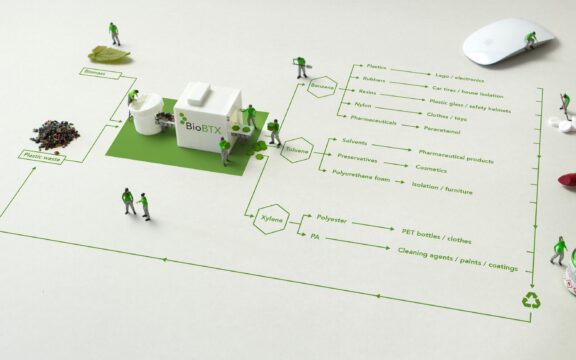
Circular Aromatics – Turning Waste into High-Value Circular Plastics
As the world moves toward net-zero carbon goals, the demand for sustainable materials is rapidly increasing. Plastics, essential in countless applications, must evolve to meet the demands of a circular,...
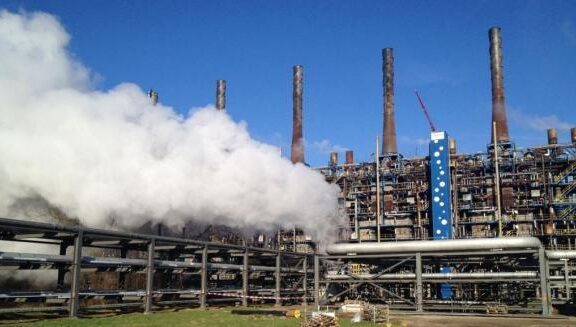
FLEXSTEAM – Development of heat storage for industrial steam
The FLEXSTEAM project aims to improve the way we can store and re-use thermal energy by using so called ‘Phase Changing Materials’ (PCMs). To achieve a fully circular economy we...

Completed
S2C – Steel2Chemicals
The project Steel2Chemicals develops a closed value chain in which CO from steel production is used as feedstock for the chemical industry.
Completed
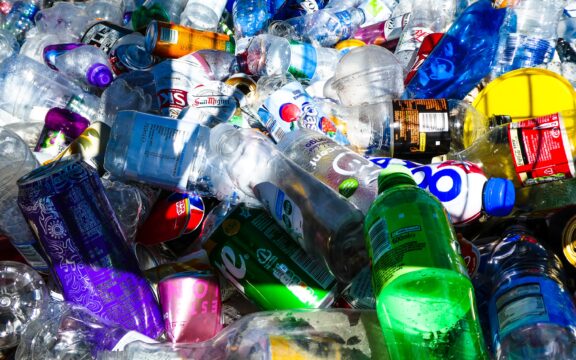
Towards improved circularity of polyolefin-based packaging
This project aims at improved circularity of polyolefin-based packaging materials through overcoming technological hurdles.

Completed
Fine Biofuels
In the Netherlands there is a total quantity of 1 million tons of roadside grass which must be mowed at least twice a year to keep the roadside banks safe....
Completed
C2V – Carbon2Value
Innovative CO2 separation technology aims to reduce emissions in steel industry. This project revolves around an innovative technology with the potential to reduce CO2 emissions across the major energy intensive...
Completed
BRECSIT – Bio-based REsin CompoSIte Technologies
Plantics-GX composites can replace conventional, fossil-based plastic composites.

Completed
ZERO BRINE
The ZERO BRINE project combines technologies to recover products of high quality and sufficient purity from brine.
Completed
AIDA – Accelerate the Integration of Digitalisation Acceptation
The AIDA project performs research towards predictive capabilities and integration of digital technologies at the various levels of individual processes.
Completed
IMPROVISE – Improved process operation via rigorous simulation models
Improved daily operations of important chemical processes in the Dutch chemical industry through operation technology based on detailed physical models. Incentive Being able to anticipate what a chemical process is...
Completed
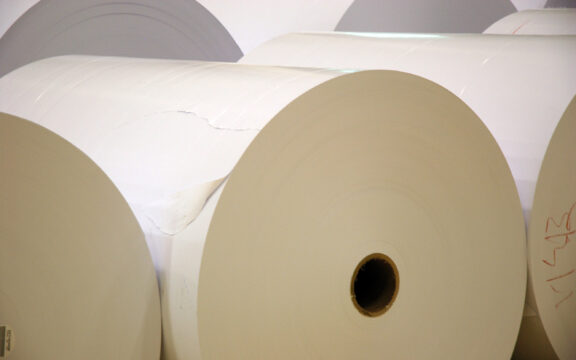
Engender: Compact Energy Efficient Dryer
Engender works on an energy efficient drying method of foods. Expected energy savings are estimated up to 30%.
Completed
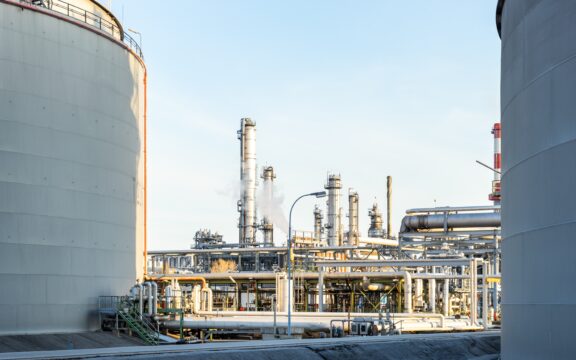
PRIDES: Deep Eutectic Solvents in the Paper Industry
The European project cluster aims to approach 80% CO2 emission reduction in the lignocellulose processing chain.
Completed
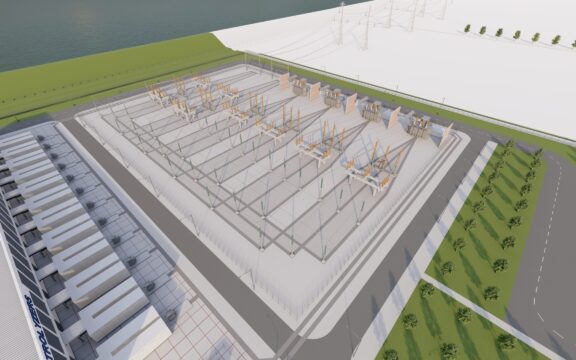
Amazing – Additive Manufacturing for Zero-Emission Innovative Green Chemistry
Amazing is about replacing large-scale high-temperature cracking processes with electrically driven thermocatalytic dehydrogenation.
Completed
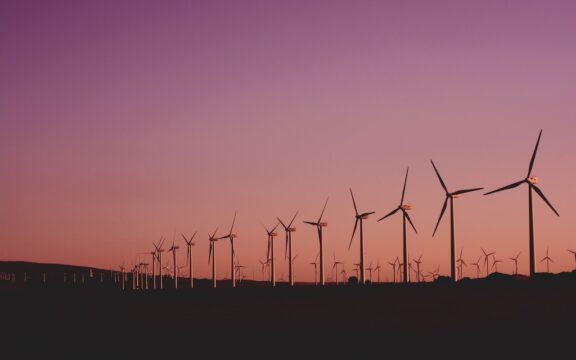
DC-DC converters – Green GW Hydrogen Plant
In this project we investigate DC-DC connections for large-scale green hydrogen plants to address space constraints, reduce investment costs (up to 25%), and mitigate significant electricity losses compared to traditional...
Completed
FOMM – Forward Osmosis Membrane and Module development
Forward osmosis (FO) is a technology recently developed on academic level, with very few example applications in the market, despite its strong benefits. FO is an energy efficient and effective...
Completed
CMF – Controlling Multiphase Flow
This Industrial Partnership Programme aims at understanding the rheology of complex emulsions and their stability under flow. While there is much empirical knowledge about emulsion rheology and stability, the microscopic...

Completed
Ammonia Pipeline Safety
The Clean Ammonia Platform is doing a study on safety design and risk impact of ammonia pipelines to explore ways to safely transport large volumes of ammonia by pipeline in...
PoSiMem – Periodic organosilica nanofiltration membranes
This project aims to develop robust, reproducible and easy to scale-up approaches for the production of novel nanofiltration (NF) membranes.
Completed
WeCare – We Create Awareness & Reduce Energy
The WeCARE project demonstrated the possibilities of Artificial Intelligence technology of EnergQ at a selected number of end users. EnerGQ’s self-learning energy management technology unveiled the excessive energy consumption and with that...

Completed
RiConfigure
RiConfigure is about involving a diverse group of actors in society’s innovation team.

Completed
ISRO – Implementation of Solvent Recovery in edible Oil
The ISRO project delivers a proof-of-principle of organic solvent nanofiltration-based solvent recovery for two cases. The first case is an integration of OSN with the current distillation process at IOI...

Completed
COSMOS – Organic solvent nanofiltration membranes on low cost ceramic supports
The COSMOS-project found that membrane technology has the potential to replace or supplement current inefficient distillation processes.
Completed
ADVANCED PROCESS CONTROL for dynamic operation of a large-scale test electrolyser
In this project we will researching and modelling the impact of variable operation on large-scale test electrolyser performance in green hydrogen.
TREPS – Trace Removal Using Electrically Powered Separations
In a circular economy, traces need to be removed to keep the loop clean. TREPS deals with trace removal using electricity.