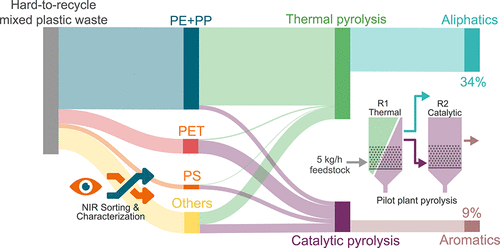
Full Utilization of Hard-to-Recycle Mixed Plastic Waste by Conversion toward Pyrolysis Oil and BTX Aromatics on a Pilot Scale
This study investigates the technological feasibility of recycling mixed plastic waste streams into chemical building blocks on a pilot scale.
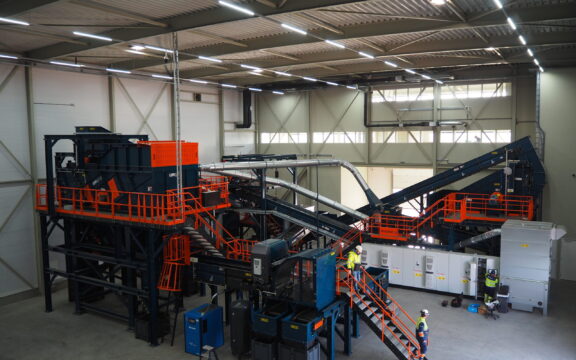
Losses and emissions in polypropylene recycling from household packaging waste
In this study the LEMPLAR consortium replicated a typical high-quality post-consumer polypropylene (PP) recycling process to investigate its losses and emissions and study potential improvements.
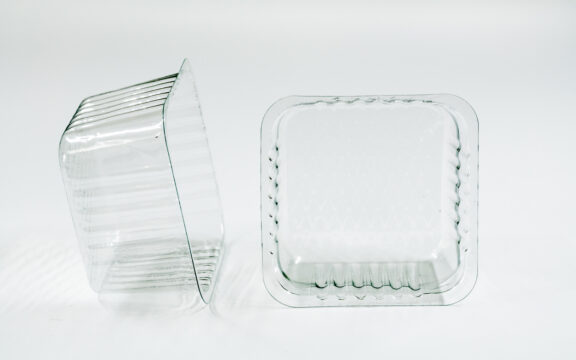
Mechanical Recycling of PET Multi-Layer Post-Consumer Packaging: Effects of Impurity Content
The recycling of PET trays is highly challenging. The aim of this paper was to investigate the issues related to the mechanical recycling process and, the correlation between feedstock composition...

Marta Konopinska
Program Manager (Circular Plastics, Industry 4.0)
Timmerije: “We want to make all our products circular, wherever possible”
Cindy Bauhuis, Product Design Manager at Timmerije, advocates for a sustainable future through recycling. At Timmerije, the vision is clear: to make all plastics circular, whenever feasible. By championing recycling,...
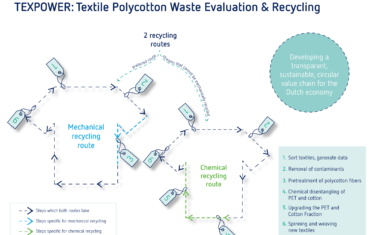
Materialentransitie vraagt om nieuwe waardeketens
Het project TEXPOWER omvat een uniek consortium van bedrijven dat de hele waardeketen van polykatoen vertegenwoordigt. Samen zetten ze zich in voor een circulaire waardeketen.
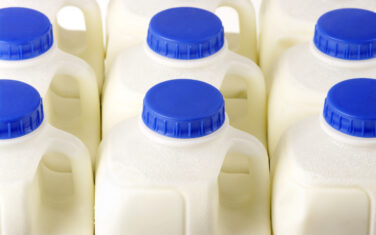
Wageningen University & Research ontdekt nieuwe manier veilig recyclen voedselverpakkingen
Onderzoekers van Wageningen University & Research (WUR) hebben in een recent onderzoek aangetoond dat het recyclen van voedselverpakkingen, zoals plastic melkflessen, zeer uitdagend is maar met specifieke sorteermethoden wel mogelijk.
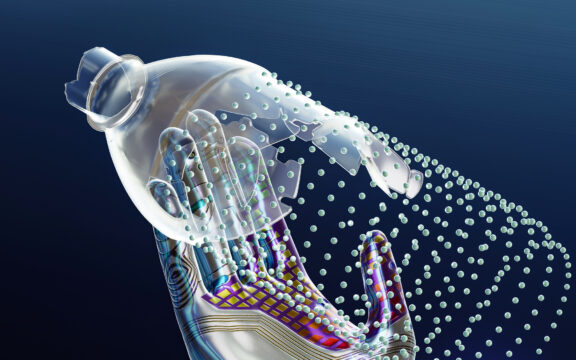
PlastiCycle 4.0 – Revolutionizing smart formulation in mechanical recycling for closing the circular value chain
Transforming plastic waste into high-quality recycled plastics. Discover how PlastiCycle 4.0 is revolutionizing mechanical recycling.

Pyrolysis of Real Packaging Plastic Waste Streams in a Fluidized-Bed Pilot Plant
Pyrolysis of different packaging plastics waste streams (DKR350) and films/foils (DKR310) was conducted at the pilot scale in a fluidized-bed reactor at 500 °C and 5 kg h−1 with the...
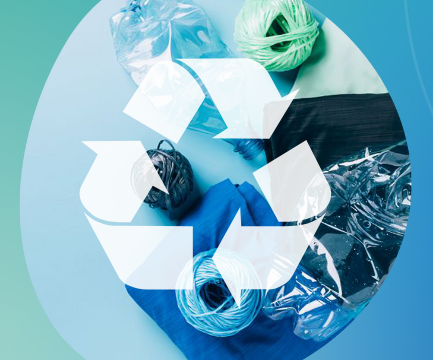
TEXPOWER – Textile Polycotton Waste Evaluation & Recycling
The TEXPOWER project aims to enable a transparent, circular polycotton textile value chain for a sustainable industry in the Netherlands.

Volatile organic contaminants in HDPE milk bottles along the mechanical recycling value chain, revealing origins and contamination pathways
To progress towards closed-loop recycling of plastic packages, it is vital to understand the origin of contaminants and to develop effective mitigation strategies. High-density polyethylene (HDPE) milk bottles were sampled...

Strategies to enhance the circularity of non-bottle PET packaging waste based on a detailed material characterisation
The circularity of non-bottle PET packaging remains a challenge to improve. This article discusses several ways to enhance the recyclability of various PET tray products.
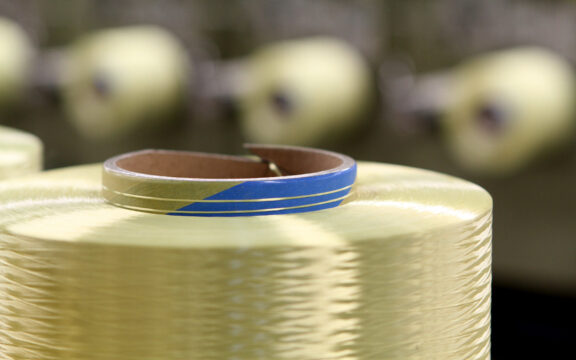
Aramazing
Aramids hold untapped potential in the journey towards sustainability. We can transform these once-disposed materials into a circular value chain, reducing waste, and striving for CO2 neutrality.
Completed
MPPS – Multipurpose Plastic Sorting
This project focuses on radically innovating the way we address mechanical sorting of plastic waste.

Scenarios as input to InReP
Gain unprecedented insights into the future of the plastic value chain with our comprehensive report.
Completed
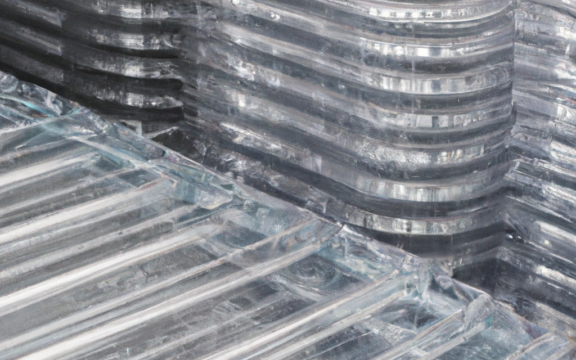
CIRCPET – Circular PET trays for perishable food applications
PET trays are currently difficult to recycle. How can we create a fully circular PET tray solution that meets market demands while minimizing environmental impact?

Completed
HOPy – Headstart on pyrolysis
HOPy wants to find a solution that mitigates the environmental impact of plastic waste and taps into its potential as a resource for creating new materials.
Completed
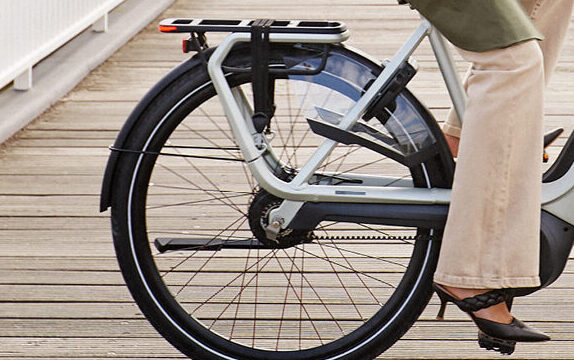
ReCYCLE – Electrical bike with durable circular plastic parts
ReCYCLE is a cutting-edge project that combines electric bikes with durable circular plastic parts, pushing the boundaries of innovation in sustainability.
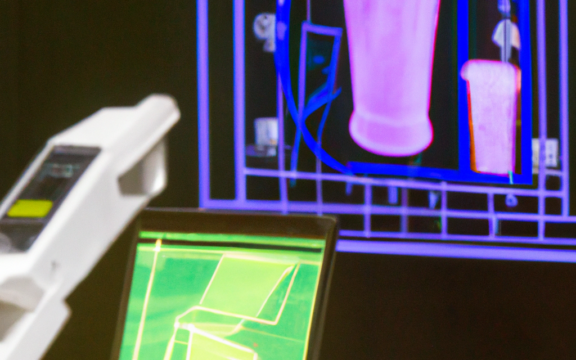
Mono / Multilayered Plastic Sorting Based on Multi-Block Non-Negative Matrix Factorization
Plastic sorting is an essential part of waste management. However, the presence of multilayered plastic makes sorting much more challenging.
Pyrolysis of mixed plastic waste (DKR-350): Effect of washing pre-treatment and fate of chlorine
What is the effect of washing pre-treatment and fate of chlorine? The influence of different washing procedures was investigated.
Pyrolysis of mixed plastic waste: predicting the product yields
The predictability of pyrolysis yields and product composition of mixed plastics has been studied.

Sortability of packaging towards dummyplastic streams for chemical recycling
In this publication the sortability of 16 packaging materials to create 2 dummy benchmark streams was determined.
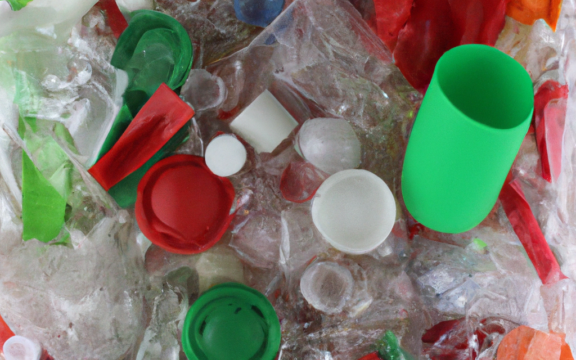
Non-Negative Matrix Factorization and Systematic Simplification of Hyperspectral Images for High-Speed Plastic Sorting
A simple and efficient procedure for the selection of essential pixels/wavelengths in HSI data sets is introduced with a high potential for application in industrial plastic sorting.
Completed
LEMPLAR – Losses & Emissions in Plastic Recycling
The plastic recycling process today has losses and emissions, such as microplastics, inks and incorrectly sorted plastics. This prevents us of closing the plastic cycle.