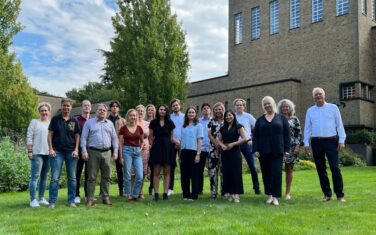
Our team of experts have different backgrounds and disciplines and work together on sustainability.

Tasneem Alazab
Junior Office Manager
Bram Qualm
Program Director (Fascinating)
Kees Biesheuvel
Program Director (Circular Carbon)
Rob Stevens
Program Director (Ammonia)
Geoffrey Schouten
Program Manager (Circular Plastics)
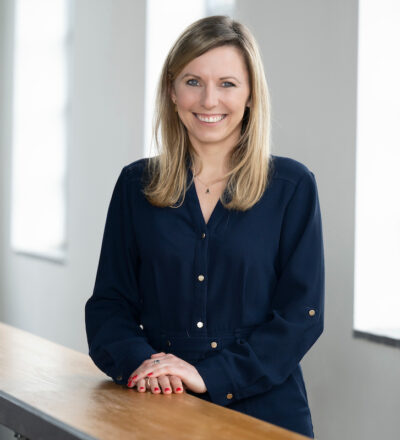
Agata van Oosten
Program Manager (Heat, Fascinating)
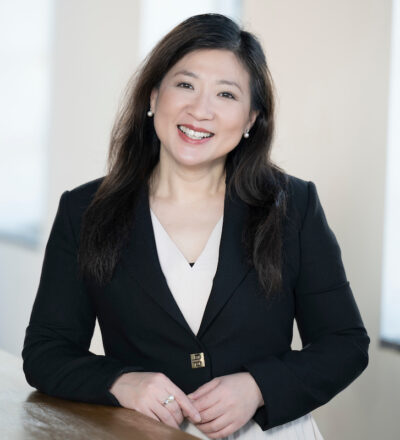
Carol Xiao
Director of Business Development
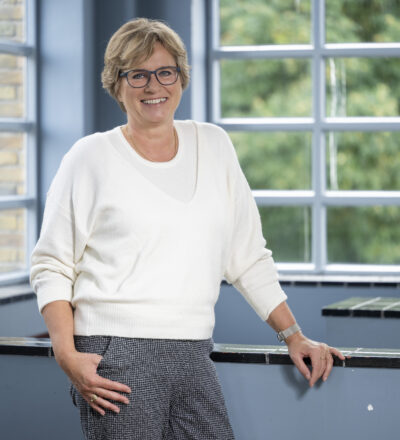
Myrèse Manshanden
Office Manager
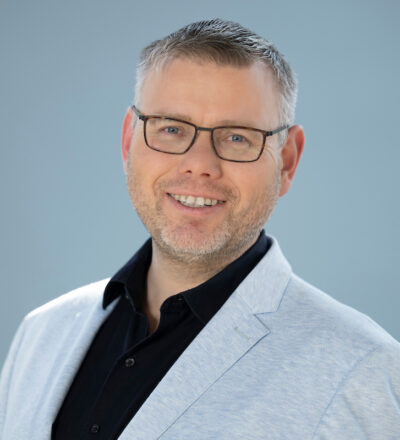
Boelo Schuur
Program Director (Separations for Circularity)
Lia Bouma
Program Administration Coordinator
Klaartje Rietkerken
Co-Director of Stichting S-ISPT
Frank van Ooijen
Consultant Corporate Communications
Franka Wijnbergen
Communications & Contentspecialist
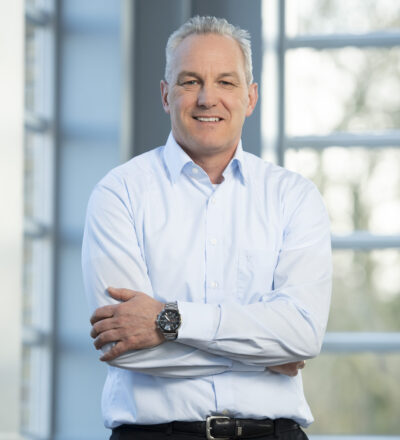
Ronald Korstanje
Program Director (Circular Plastics)
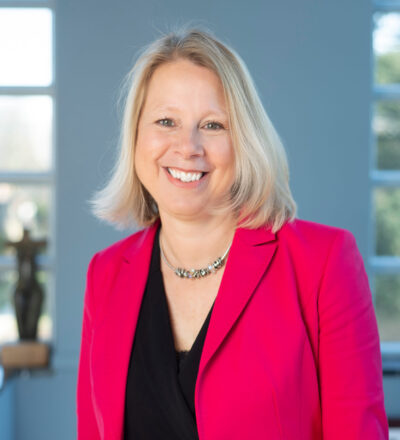
Annita Westenbroek
Program Director (Heat)
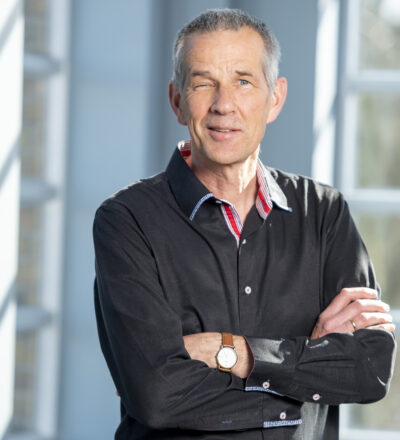
Michiel Sytsma
Finance Officer
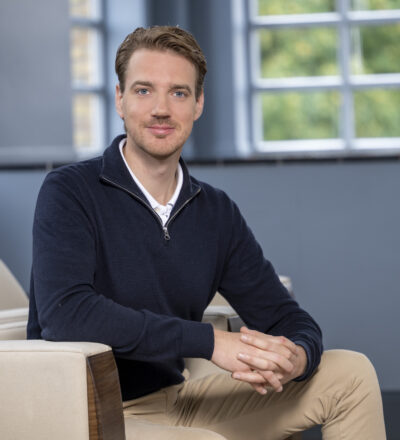
Otto Tobé
Program Manager (Clean Ammonia, Separations for Circularity)
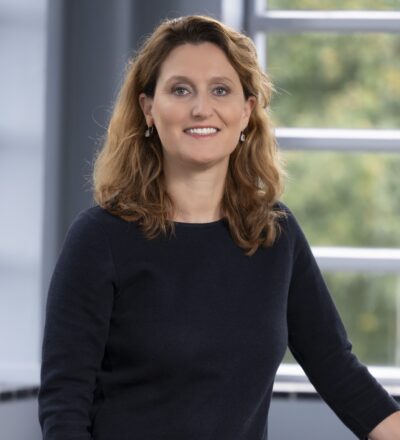
Tanja Lintmeijer
Governance Officer
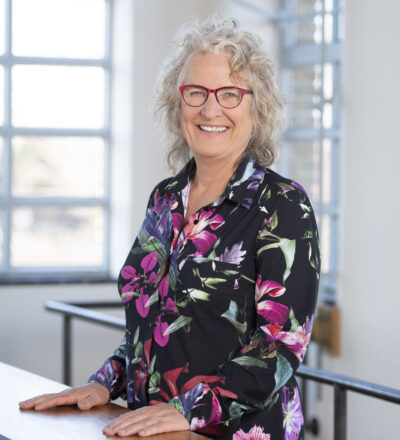
Ineke de Boer
Finance Manager
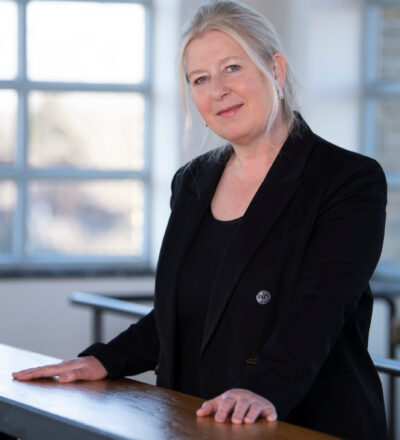
Anne van der Zwaan
Program Manager (Drying and Dewatering, Mild Fractionation for Food)
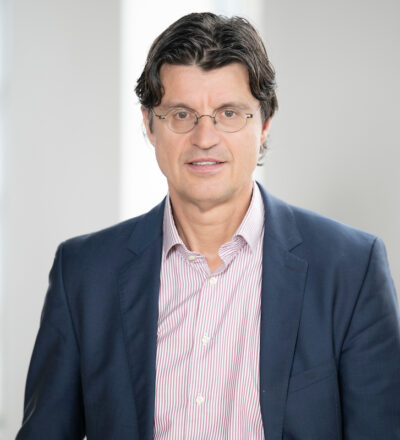
Hans van ‘t Noordende
Principal Expert
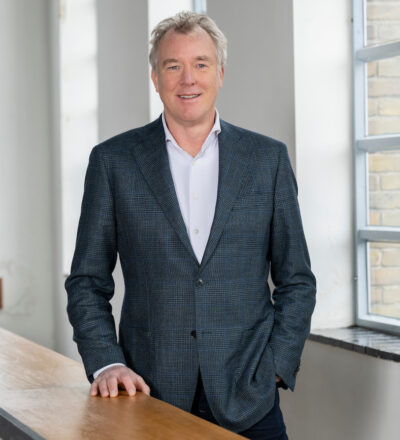
Tjeerd Jongsma
Managing Director
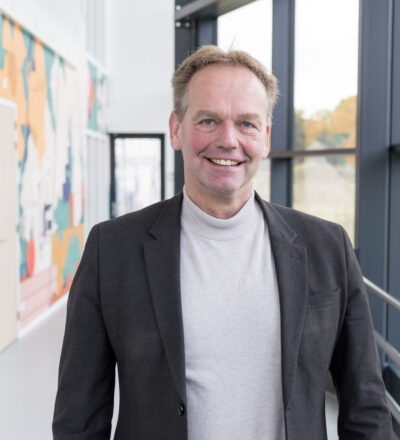
Paul de Vos
Program Director (Fascinating)
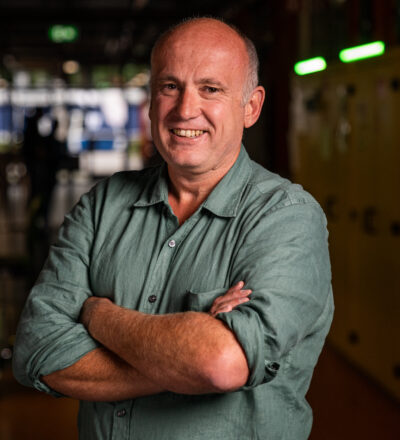
Sascha Kersten
Program Director (LTP)
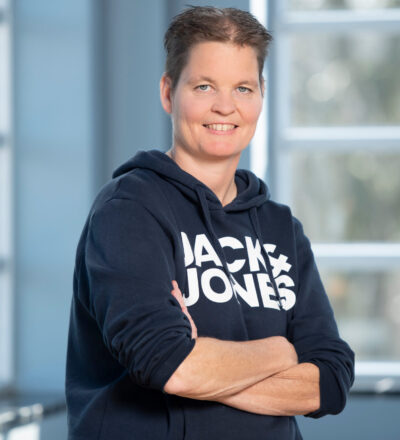
Jolanda Duits
Finance Officer
Jan Sikkema
Program Director (Fascinating)

Marta Konopinska
Program Manager (Circular Plastics, Industry 4.0)
Irene ten Dam
Program Manager (Circular Carbon, Separations for Circularity)
Peter de Jong
Program Director (Fascinating, Drying and Dewatering, Mild Fractionation for Food)
Nadine Kool
Communications & Eventspecialist
Our core team is supported by a Supervisory Board and an Academic Advisory Board.
Supervisory Board
The ISPT Supervisory Board consists of appointed representatives of ISPT participants from the process industry, academic partners and SME’s. It supervises the ISPT managing board and provides advice and counsel.
Kirsten Steinbusch
DAB
Rob Mudde
TU Delft
Jacolien Eijer
NVRD
Jurgen Hoekstra
BASF
Academic Advisory Board
The ISPT Academic Advisory Board guarantees the scientific quality of the activities and programs of ISPT. It consists of professors and academic representatives related to ISPT.
Chair, Prof. dr. ir. S.R.A. (Sascha) Kersten
University of Twente
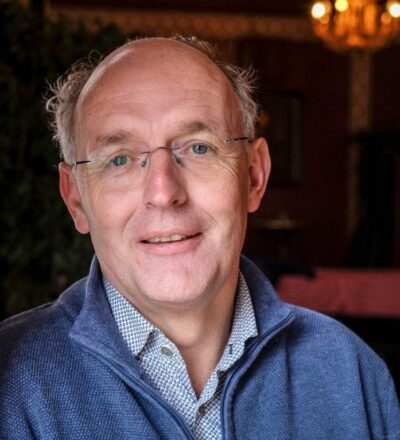
Prof. dr. ir. H.J. (Erik) Heeres
University of Groningen
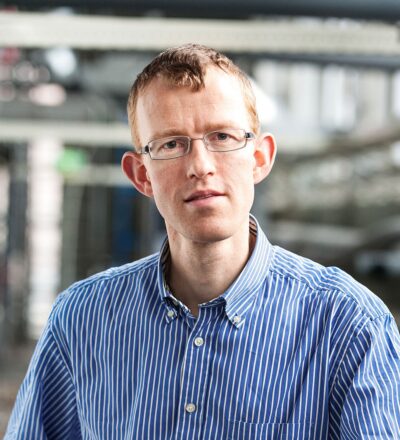
Prof. dr. ir. R. (Ruud) van Ommen
TU Delft
Prof. dr. ir. RM (Remko) Boom
Wageningen University & Research
Klaartje Rietkerken
Co-Director of Stichting S-ISPT
Annita Westenbroek
Program Director (Heat)
Tjeerd Jongsma
Managing Director
Steel2Chemicals: paving the road for reducing millions of tons of CO2 emission
The steel industry has traditionally been a big contributor to global CO2 emissions, but current developments indicate that this may become a thing of the past. Our new system integration...
How best to treat industrial salt waste streams innovatively and economically
The ORPHEUS project compares membrane distillation and freeze-concentration Currently the process industry generates a significant amount of wastewater. These streams often contain (traces of) organic components in addition to salts....
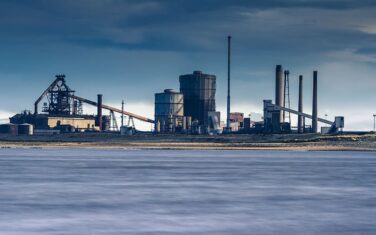
The Dutch climate agreement on industry
The Dutch climate agreement was presented on June 28, 2019. The Netherlands is committed to a pioneering role within the European Union and beyond. We are not going to do...

Developing fundamental insights into deep eutectic mixtures
Research on deep eutectic mixtures can predict the liquid window of 22 new mixtures, which is essential for new designer solvents.

Understanding and improving separation based on affinity
Recent graduate of the EAMS project, Lisette Sprakel looks back on her experience with the Institute for Sustainable Process Technology during her time as a PhD candidate. My name is...
Invitation: matching brine producers with users of recovered materials
The availability and cost of water is becoming a risk factor for the continuity of industrial plants. This raises the need for circular business models where process water is reused and...
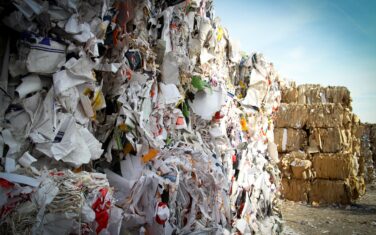
PRIDES: the next step in sustainable paper pulping
Deep Eutectic Solvents (DES) are a novel class of solvents which offers a green alternative to chemical solvents in the paper industry.
Meet your match for salt recovery and reuse
Primary source salts can increasingly be replaced by second generation salts that have just as much value, as shown in the ZERO BRINE project. It’s time to take the hurdles...
ArcelorMittal and Dow Benelux start trials separating CO2 and CO from steel gas
March 18, 2019 ISPT partners ArcelorMittal and Dow Benelux will start trials with a new pilot installation built on the ArcelorMittal company site in Ghent that will separate carbon dioxide...
The CirBind-project: Scaling up the bioresin binder GX to replace toxic binders
Many construction materials such as wood panels contain toxic binders. These binders are persistant pollutants and carcinogenic as they are made of the hazardous formaldehyde-based polymer resins. There is a...
Paper waste as building block for the circular economy
Cell-U-Value project shows how industry can become more carbon neutral. ISPT launched a new project to produce valuable chemicals from paper waste. The Cell-U-Value project will run until October 2022...
Online Brine Platform Boosts Circular Economy Solutions for Process Industries
ZERO BRINE service offers ‘disruptive’ opportunity in resource management The ZERO BRINE project, which aims to advance circular economy business models by redesigning the value and supply chain of water...
From wasting valuable resources to a ‘zero discharge’ closed waste water cycle
The Eurydice Project The ‘waste’ in ‘wastewater’ actually contains quite a few valuable resources. Domestic wastewater streams are already treated to recover components like Phosphorus, Nitrogen and cellulose. From drinking...
Towards more sustainable pulping with Deep Eutectic Solvents
Today, at a special conference organised as part of the Paper and Beyond 2018 event in Brussels, the first phase of the PROVIDES project was officially completed. PROVIDES, which stands...
Fine Biofuels: biomass-efficiency by regional pellets from residue streams
This project saves energy for bio-energy boilers because of the increased quality of burned biomass.
New business matchmaking service for brine producers and users
Demonstration workshops at industrial cluster locations ZERO BRINE is a European project that aims to recover and re-use salt and water from brine streams containing organics that result from several...
Innovatieprogramma’s van ISPT spelen centrale rol bij CO2-vrije industrie
Nieuwe innovaties zullen CCS overbodig maken, de industrie geld gaan opleveren en Nederland op de kaart zetten als koploper in duurzaamheid.
Zero Brine project kicked off!
View the first ZeroBrine NEWSLETTER here. A new European project that aims to recover and re-use salt and water from brine streams containing organics that result from several different industrial...
Chemistry contributes to a circular Dutch Economy by 2050
Plans for a Dutch sustainable and circular economy by the year 2050 have been presented on Monday the 15th of January. The five action plans concern the sectors Biomass&food, Construction,...
Steel industry can deliver the raw material for the chemical industry
Breaking research in ‘CORESYM’ report reveals potential for symbiosis between chemical and steel industries Key findings show re-use of waste gas from steel industry can lead to drastic reduction in European...
Arcelor and Dow solve each others problem
Arcelor Mittal is looking for ways to reduce her CO2 emission, whilst neighboring Dow Benelux is searching for alternative resources for oil in her production processes. Their intented collaboration has...