Can industrial processes become cleaner, more energy-efficient, and less dependent on chemicals? The ECO project explores how electricity can replace chemical processing aids in water treatment, cleaning and separation processes.
In short:
- Developing electrically driven alternatives to acids, bases, detergents and other processing chemicals.
- Reducing energy consumption in industrial water treatment and separation processes.
- Focusing on applications in the food, paper and chemical industries.
- Bringing together leading universities and industrial partners to develop next-generation sustainable process technologies.
The challenges of wastewater treatment
Industrial sectors face increasing pressure to reduce both CO₂ emissions and water consumption. At the same time, stricter water quality regulations make wastewater treatment more challenging and energy-intensive.
Many industrial processes depend on chemical additives to adjust pH, improve separations, prevent fouling or support cleaning. While effective, these chemicals eventually end up in process water streams where they must be removed before water can be reused or discharged. This creates additional costs, higher energy demand and increased environmental impact.
As industries move towards greater water reuse, the concentration of salts and other contaminants in water systems continues to rise. This makes treatment more difficult and limits the potential for efficient circular water use. new approach is needed: one that avoids adding chemicals in the first place.
About the project
ECO aims to develop electrically driven processes that replace conventional chemical processing aids. Instead of using acids, bases, detergents, surfactants or flocculants, the project investigates how electric fields can create the same effects through locally generated pH gradients and electrostatic interactions.
The research focuses on understanding:
- How electrically induced pH gradients are created.
- How these gradients depend on system properties and operating conditions.
- How pH gradients can be controlled and optimised.
- How electric fields can replace or reduce the use of chemical processing aids.
To translate this knowledge into industrial solutions, the project is organised around three application pillars:
- Desalination and process water treatment
Developing electrochemical technologies for water purification, salt removal and the production of high-quality process water without the need for conventional chemical dosing. - Cleaning and biofouling prevention
Creating electrically driven cleaning solutions that reduce or eliminate the use of cleaning chemicals while maintaining effective cleaning performance. - Separation processes
Exploring electrically controlled alternatives for pH-based separation processes used in industries such as dairy, starch and chemical production.
The project combines expertise in electrochemistry, materials science, membrane technology, modelling and process engineering. Academic partners work closely with industrial companies to ensure that the developed concepts address real industrial challenges and provide a route towards practical implementation.
Expected results
ECO is a four-year research project running from 2027 to 2030.
The project will deliver:
- New fundamental understanding of electrically induced pH gradients and electrostatic interactions.
- Advanced electrode materials, coatings and membrane technologies.
- New modelling tools for designing electrically driven industrial processes.
- Experimental validation and techno-economic assessment of several promising process concepts.
- A foundation for future demonstration projects and industrial deployment.
- All the results will be captured in scientific publications, PhD theses and project reports.
Ultimately, the project aims to develop the knowledge and technology needed for 3 to 5 innovative electrically driven processes that can significantly reduce chemical consumption, lower energy use and support industrial decarbonisation.
Join us
The transition towards a sustainable and circular process industry requires collaboration across disciplines and sectors. ECO brings together industry and academia to develop breakthrough technologies that reduce chemical use, improve water circularity and accelerate industrial electrification.
Interested in the latest developments? Follow ISPT on LinkedIn or via our monthly newsletter for project updates, publications and collaboration opportunities.
A long-term vision for sustainable process technology
The ECO project forms part of the Long-Term Program (LTP) within ISPT. The programme aims to develop process technology for 2050. By then, value chains from raw materials to end products in industry are expected to have changed radically. It is a unique programme in the Netherlands as it deals with technology that does not yet exist.
You might also be interested in
Let’s get in touch

Otto Tobé
Also in our team
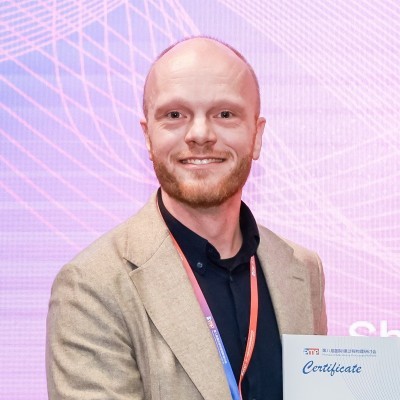
Jouke Dykstra

Remko Boom
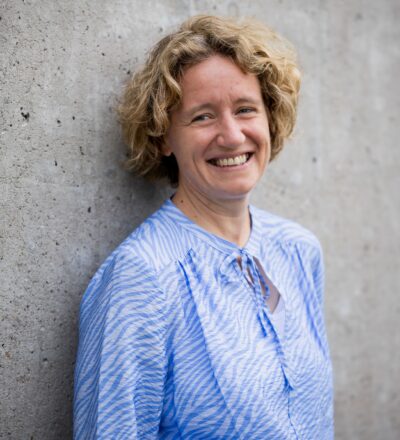
Sissi de Beer

Hanieh Bazyar

Vassilis Kyriakou
Acknowledgement & partners
This project is co-funded by TKI-Energy with the supplementary grant 'TKI- Toeslag' for Topconsortia for Knowledge and Innovation (TKI’s) of the Ministry of Climate Policy and Green Growth.