From recycled battery materials to new battery raw materials. The LiSa project is developing a smart and energy-efficient method for refining and recycling lithium. In this way, the consortium is working to establish a robust European battery value chain with lower CO₂ emissions, reduced reliance on imports and greater control over critical raw materials.
In short:
- The project is developing an innovative technology to convert lithium chloride into battery-grade lithium hydroxide and lithium carbonate.
- The new refining method is expected to consume 50% less energy and produce 50% fewer CO₂ emissions than existing processes.
- Recycled lithium from old batteries is being tested directly in the refining process.
- The project lays the foundation for a circular lithium chain in the Netherlands and Europe.
The challenge: Europe needs lithium, but wants to be less dependent
Lithium is indispensable for batteries in electric cars, energy storage and many other applications. Demand is growing explosively, but at the same time Europe remains heavily dependent on foreign supply chains for lithium and other critical raw materials. This entails risks: think of geopolitical dependence, price fluctuations and high environmental impact from traditional extraction and refining. Moreover, valuable materials from used batteries are still too often lost.
But the LiSa project aims to change that. The project focuses on a circular approach in which lithium is refined locally and recovered from used batteries. In doing so, the project contributes to a future-proof battery industry in Europe.
About the project
LiSa stands for Lithium refining via Salt-Assisted Crystallization. Within the project, industry, research institutions and technology partners are collaborating on a new lithium refining technology.
At the heart of the project is an innovative crystallisation process developed by Nobian. This enables lithium chloride from various sources to convert into lithium products suitable for batteries. The process integrates well with existing chlor-alkali infrastructure and uses significantly less energy than conventional methods.
In addition, Back to Battery supplies recycled lithium-containing brines from recycled lithium-ion batteries. These are tested in the refining plant to investigate how the process handles impurities from recycled raw materials.
The University of Twente is developing models for process optimisation and upscaling. ISPT coordinates the project and supports knowledge sharing within the network.
Results
The project will deliver a functional, continuous research facility for lithium refining on a laboratory scale. This will enable partners to carry out tests using lithium from both geothermal sources and recycled batteries.
Expected results
- A continuous crystallization setup for the production of battery-grade lithium hydroxide.
- New knowledge on the removal and control of impurities in recycled lithium streams.
- A process model for upscaling to demonstration and commercial plants.
- Validation of a circular route for lithium refining with a lower carbon footprint.
- A significant step towards a European battery recycling ecosystem.
In the long term, the technology could lead to large-scale production of battery chemicals in the Netherlands and Germany, linked to battery recycling and local lithium sources.
Collaboration across the supply chain
The LiSa project brings together expertise from across the entire battery value chain:
- Nobian – development of lithium refining technology.
- Back to Battery – recycling of lithium-ion batteries and production of recycled lithium brines.
- University of Twente – modelling, process development and research.
- Demcon Suster – design and construction of the research facility.
- ISPT – project coordination and knowledge sharing.
Working together towards a circular battery industry
LiSa demonstrates how innovation, collaboration and circularity come together in the energy transition. By refining and recycling lithium more intelligently, the consortium is building a stronger and more sustainable battery value chain for the Netherlands and Europe.
Would you like to know more about the project or collaborate on circular battery technology? Please contact Otto Tobé.
Also interesting to read
You might also be interested in
Nobian and partners launch pilot project to scale circular, low-carbon lithium refining in Europe
‘We bouwen nieuwe waardeketens omdat de industrie dat nu nodig heeft’
Let’s get in touch
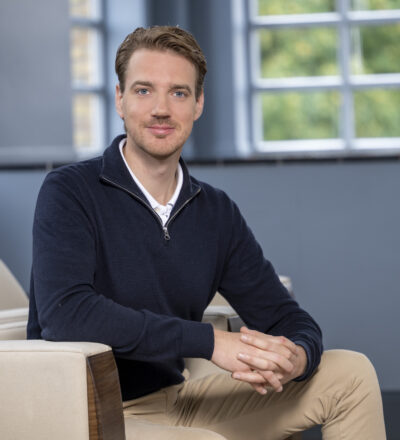
Otto Tobé
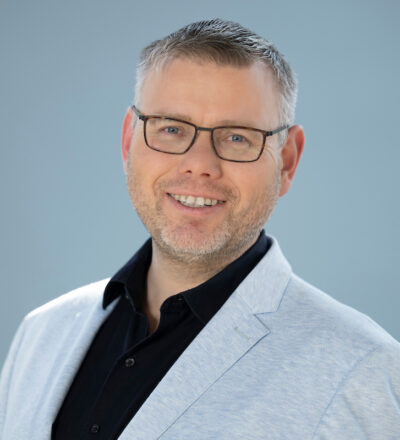
Boelo Schuur
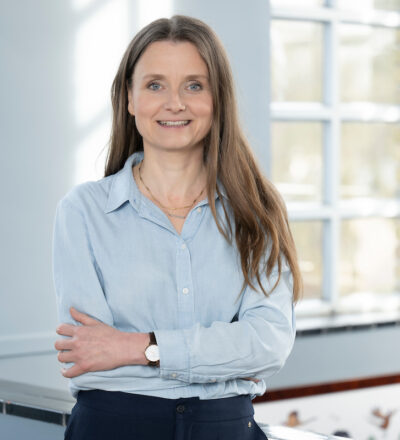
Irene ten Dam
Also in our team
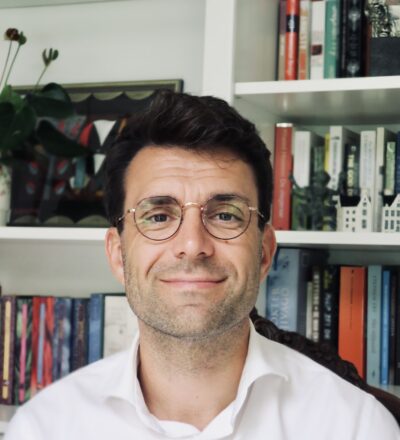
Martijn Dane
Acknowledgement & partners
This project is co-funded by TKI-Energy with the supplementary grant 'TKI- Toeslag' for Topconsortia for Knowledge and Innovation (TKI’s) of the Ministry of Climate Policy and Green Growth.