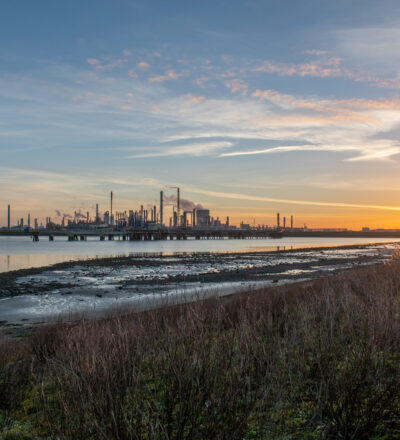
An emission-free cracking process that runs on renewable energy, is more energy-efficient, consumes no fuel and produces more valuable raw materials: that was the aim of the e-Missi0n MOOI project, a collaboration between Shell, Dow, TNO and ISPT.
Steam cracking is used to produce basic chemicals that form the basis for plastics, latex and synthetic rubber, among other things, and thus for many products we use every day. Currently, the process relies heavily on fossil fuels and is a prominent source of carbon emissions. The e-Missi0n project investigated how this energy-intensive process can be electrified to reduce CO₂ emissions in the chemical industry.
From fuel to electricity
Conventional steam crackers generate heat by burning fuel. Replacing combustion with electrical energy not only eliminates the direct CO2 emissions, but also greatly enhances the integrated energy efficiency of the process. Since the electrical furnaces do not produce flue-gas and the associated heat energy, they offer the potential for significant improvements in overall energy efficiency.
Less energy, more valuable products
The steam cracking process essentially involves extracting hydrogen from the feedstock. Some of the valuable hydrogen is used to remove impurities. However, a significant quantity is currently burned directly as fuel, alongside the produced methane, to keep the process running.
Electrification changes this. It offers the opportunity to use by-products as feedstock instead of as fuel. This makes the steam cracking process more energy-efficient without any economic disadvantage: less energy is required and more valuable products are produced.
E-furnace technology: two routes
Within e-Missi0n, three concepts were investigated in parallel: indirect electric heating, direct electric heating and a new reactor design. These concepts fall under two broader electrification routes: the Brownfield route, which involves retrofitting existing furnaces with electric heating elements, and the Novel route, which involves the direct electrical heating of reactor coils. All three reactor designs were tested at a small scale.
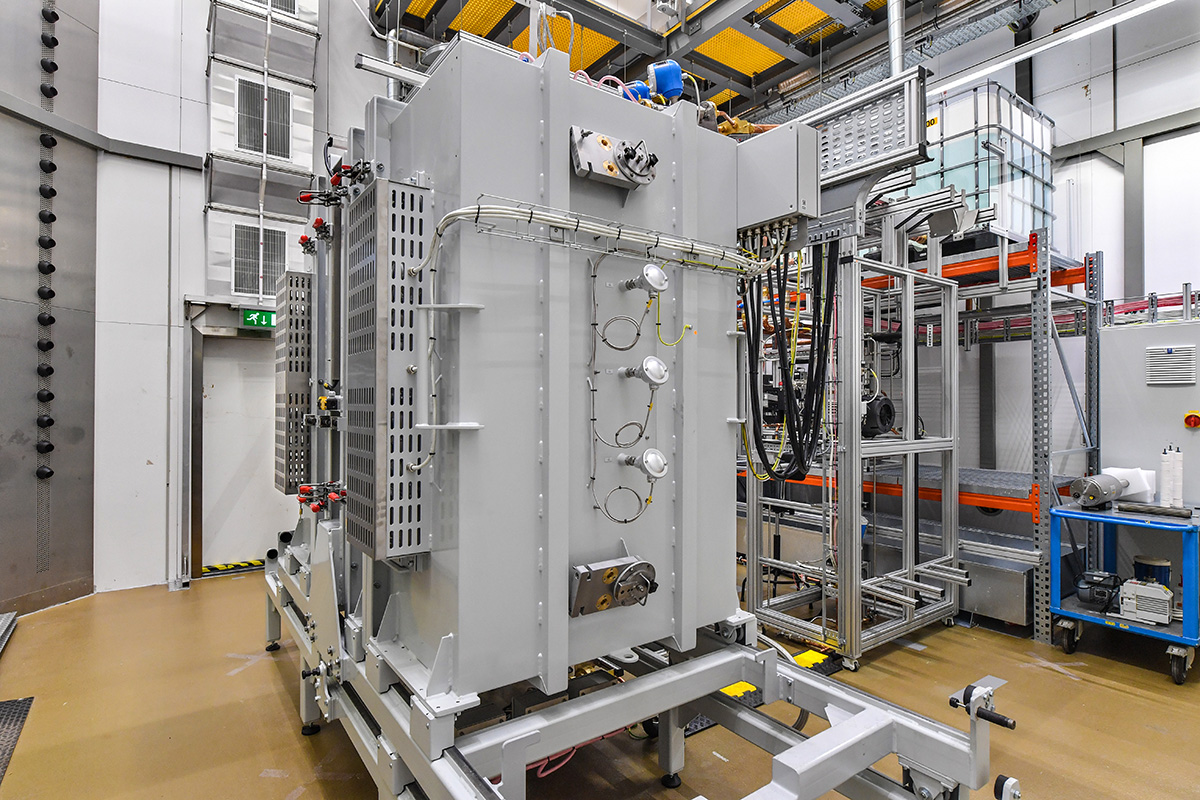
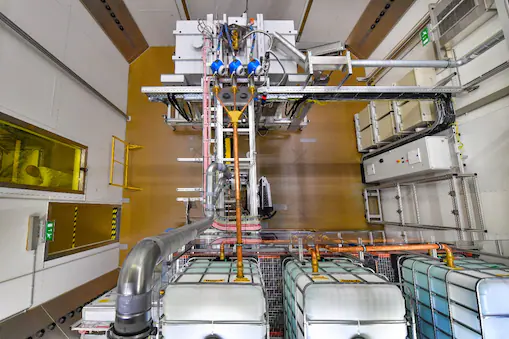
In addition, innovative heat integration concepts for the electrification routes were developed based on molten salts. This improves the recovery and reuse of heat from the process, enabling more effective preheating of the feedstock.
Advancing technology readiness
The project delivered significant breakthroughs and provided a realistic insight into the technical possibilities and limitations. Progress was made towards higher Technology Readiness Levels (TRLs) for all investigated technology pathways. The results demonstrate that electrification is technically feasible, but also requires a continuous reliable power supply and further upscaling.
By bringing together the complementary expertise of Shell, Dow, TNO and ISPT, e-Missi0n accelerated the development of e-furnace technology. The collaboration combined technology innovation with system integration, helping identify viable pathways towards large-scale decarbonisation of the chemical sector.
Download the public report
Interested in the technical results and key insights from the project? Download the public report.
Acknowledgement
This project is co-funded with subsidy from the Topsector Energy by the Ministry of Economic Affairs and Climate Policy.