The shift to plant‑based proteins demands smarter, cleaner processing. SEUSS develops new ways to reduce energy use and recover valuable resources from side streams.
In Short
- Plant‑based protein production is rising fast, but current extraction and drying processes use too much energy.
- Valuable side streams are often lost due to intensive, water‑heavy processing.
- The goal of the SEUSS project is to design new configurations for energy efficient processing of alternative plantbased proteins.
- Together with industry partners, we investigate and assess innovative technologies for future integration.
Energy-related challenges
The protein transition is gaining momentum in the Netherlands. The national ambition is that by 2030, at least half of all consumed proteins come from non‑animal sources. Yet the industry faces a growing set of energy‑related challenges:
- High energy use: processing of alternative proteins is often three times more energy intensive than animal protein processing.
- Water‑intensive extraction: protein recovery requires large volumes of water, which then need to be removed through energy‑heavy drying.
- Loss of resources: current processes generate various side streams, that are only partially used, despite containing valuable components. Various sidestreams are generated, often leading to only partial utilization of valuable raw materials, even though the entire input has undergone processing.
- Volatile energy markets and sustainability concerns: industry needs solutions that reduce dependency on energy and water while improving resource efficiency.
This implies that smarter, integrated processing configurations will have to be applied for the processing of alternative proteins.
About SEUSS: improving plant-based protein production
The processing of plant-based proteins can result in a considerable increase in energy use due to the use of water-intensive extraction processes and the resulting need for energy-intensive drying. During processing, various side streams are generated, often leading to only partial utilization of valuable raw materials, even though the entire input has undergone processing. To prevent the loss of intrinsic energy and resources, valorisation of these side streams is essential.
The Objective
The objective of the SEUSS project is to advance the industrial processing industry by:
- valorising valuable side-streams
- recovering water and returning it to the process
- feeding a more concentrated slurry to the drying step
- reducing the overall energy consumption by 30%.
Expected Results
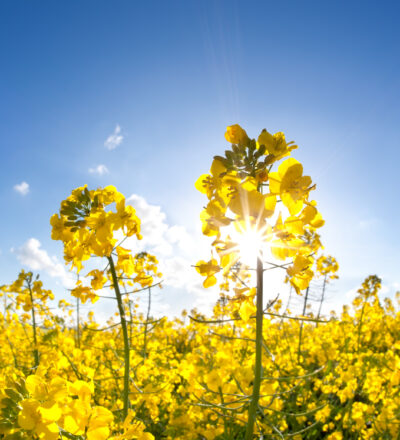
- Optimised methods of concentrating and purifying dilute protein-rich side streams (e.g. from the processing of canola seeds and brewers’ spent yeast) into concentrated solutions.
- An optimised process to concentrate dilute product and co-product streams that can be further processed.
- Integration of the developed processes on pilot or semi-industrial scale.
- Quantification of energy and water consumption of developed and reference processes for canola and brewers spent yeast.
You might also be interested in
Let’s get in touch

Anne van der Zwaan
Also in our team

Steven Cornet
Acknowledgement & partners
This project is co-funded by TKI-E&I with the supplementary grant 'TKI- Toeslag' for Topconsortia for Knowledge and Innovation (TKI’s) of the Ministry of Economic Affairs and Climate Policy.