On April 15, we held the first external multi-stakeholder event of the Clean Ammonia Innovation Platform (CAIP). As an independent party, ISPT brought together organizations with different perspectives from both industry and government to facilitate an open and well-informed fact-based discussion on the role of ammonia in the energy transition. Only by looking beyond the boundaries of one’s own sector can we determine whether, and how, ammonia can truly contribute to a sustainable energy transition.
Clean Ammonia as an Emerging Energy Carrier
As part of the energy transition, clean ammonia is emerging as a promising energy carrier – both as a precursor for hydrogen and as a direct, carbon‑free fuel produced using renewable energy. This is a new role for a compound that is otherwise well known and widely used, from fertilizers to resins, pharmaceuticals and cleaning products.
Challenges and Perceptions
Its emergence in the energy system raises important questions around capacity, competitiveness, infrastructure and public acceptance. Especially considering the fact that ammonia is usually associated with pungent smells and toxicity, rather than with clean energy. It is easy to see how this creates significant complexity for all stakeholders involved. Therefore, it is essential that banks, companies, (local) governments and other stakeholders understand each other’s perspectives and challenges.
Setting the Context: Insights from Ammonia Experts
During a four-part interactive work session, we discussed the current and future possibilities, concerns and considerations of ammonia infrastructure.
We invited four ammonia experts to set the stage for discussionwith the participants:
- Vibeke Rasmussen of Yara, introduced the topic of Social Acceptance: How can we collaborate with local communities who might be affected by infrastructure changes in a fair and transparent way? Vibeke shared her experience living near ammonia plants and outreach programmes for groups such as schools and other key community members.
- Pehr Teulings of VOTOB (The Dutch Association of Tank Storage Companies), gave some considerations on capacity, the role of ports as a European energy hub, and the possibilities for bunkering ammonia.
- Pier Stapersma of the Centre for International Energy Policy, shed light on the precarious nature of energy security in the world today, and placed the ammonia discussion in a macro-economic context.
- Stephen Jackson of Ammonia Europe, gave us a crash-course on the European policy landscape, and provided the background for looking to the future: Which policies and choices need to be followed-through, for us to have a clean and safe energy system by 2036?
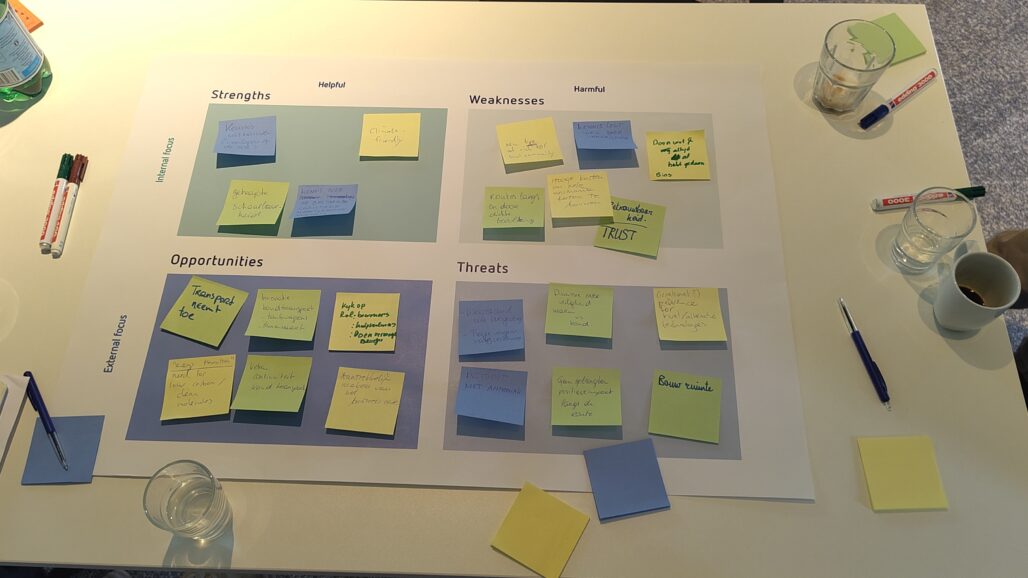
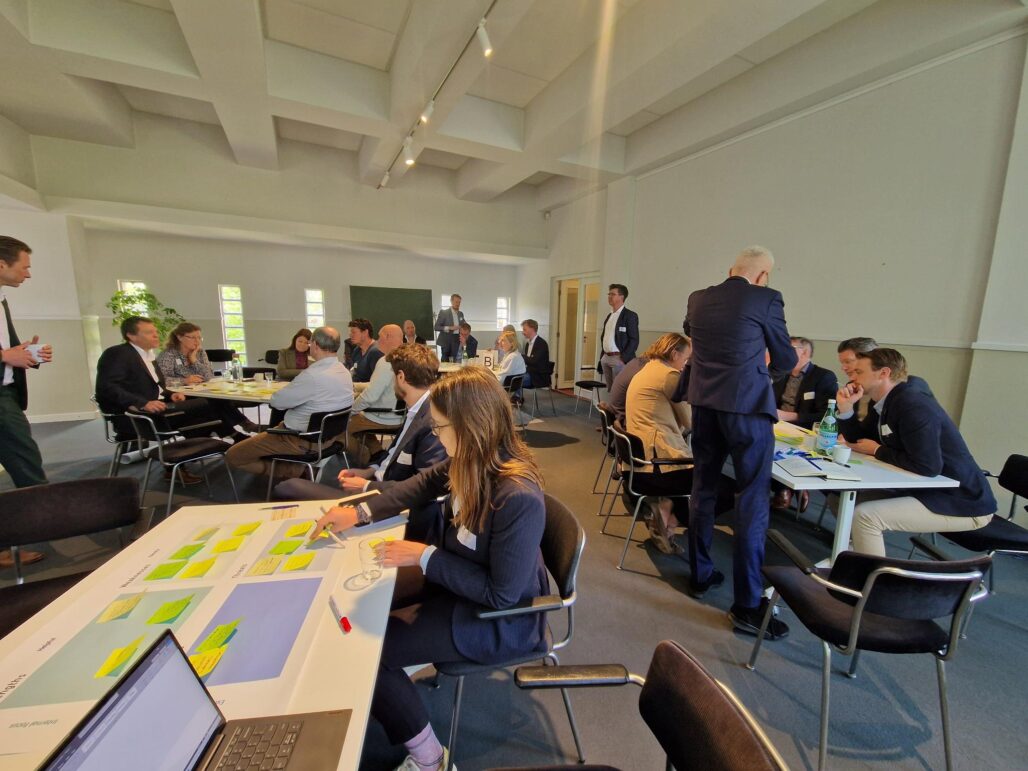
By connecting the knowledge and practical experience of the speakers with the questions and concerns from the stakeholders, we enabled a constructive dialogue on what is needed to take responsible steps together. We further sharpened our joint vision for clean ammonia and kicked off future dialogues with all stakeholders.
We would like to thank all our participants, the CAIP partners and of course the speakers for such a fruitful afternoon.