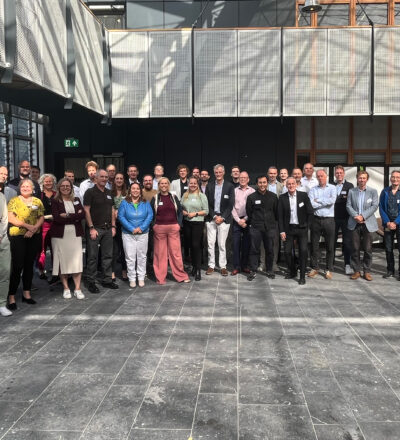
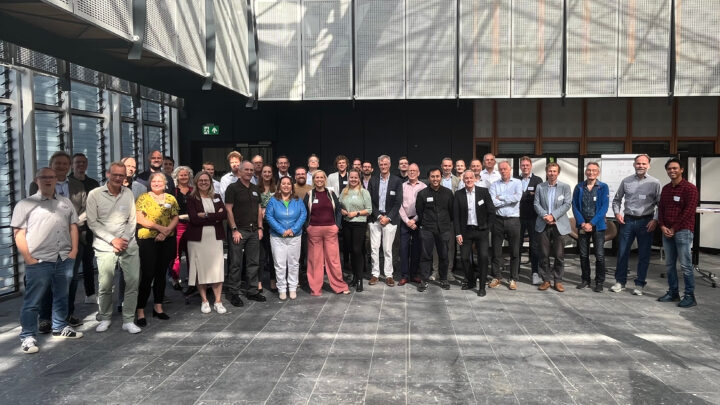
After four years of intensive collaboration, the InReP project has officially come to a close. With 33 partners working together across the entire plastics value chain, the project delivered technological breakthroughs, new application possibilities and valuable systemwide insights for further innovation and policy development.
Breakthroughs in sorting and recycling technologies
InReP (An Integrated approach towards Recycling of Plastics) developed and tested advanced sorting strategies, new mechanical and chemical recycling technologies and innovative decontamination methods for PE, PP and PET waste streams. These efforts resulted in several high-quality demonstrator products and validated new recycling routes for materials that were previously difficult to reuse.
Plastics Recycling Explorer tool
The consortium also created a Plastic Recycling Explorer tool that visualizes various current and future plastic recycling scenarios. It offers policymakers and industry stakeholders data driven insights into how different recycling technologies, design choices and collection systems influence circularity outcomes.
Looking ahead: beyond technology alone
A central insight from the project is that improved sorting and advanced recycling are essential, but not enough to meet future circularity goals. Better design for recycling, reduced plastic consumption and the introduction of renewable plastics are also required to fully close the loop.
Explore more: Interactive document
To make the project’s outcomes easily accessible, we have created an interactive document that brings together the full public summary, six physical use cases and the policy brief outlining the system changes required for a circular plastics future.
Acknowledgement
Topsector Energiesubsidie van het Ministerie van Economische Zaken en Klimaat.